⚠️ We are closely monitoring the recent Ebola outbreak in the Democratic Republic of the Congo. We extend our deepest sympathies to the Congolese people during this challenging time, and our thoughts and steadfast support remain with the affected communities.
Radiology & Nuclear Medicine
MHF Patient Guide

Radiology & Nuclear Medicine

Radiology and nuclear medicine encompass advanced imaging techniques used to diagnose and treat a wide array of medical conditions. By utilizing X-rays, magnetic fields, sound waves, and radioactive substances, specialists can visualize the internal structures of the body with remarkable precision. This specialty is crucial for early detection, accurate diagnosis, and image-guided minimally invasive treatments. For international patients traveling to India, state-of-the-art diagnostic centers offer comprehensive evaluations, ensuring that subsequent medical or surgical interventions are precisely targeted and highly effective.

50
specialist profiles
10+
hospitals to explore
EN / FR
bilingual coordination
24–48h
initial response target

Understand the specialty

Clinical Overview and Direction

Radiology and nuclear medicine encompass advanced imaging techniques used to diagnose and treat a wide array of medical conditions. By utilizing X-rays, magnetic fields, sound waves, and radioactive substances, specialists can visualize the internal structures of the body with remarkable precision. This specialty is crucial for early detection, accurate diagnosis, and image-guided minimally invasive treatments. For international patients traveling to India, state-of-the-art diagnostic centers offer comprehensive evaluations, ensuring that subsequent medical or surgical interventions are precisely targeted and highly effective.

Conditions Commonly Evaluated

  • Various types of cancer and tumors
  • Cardiovascular diseases and blockages
  • Neurological disorders and brain abnormalities
  • Musculoskeletal injuries and joint disorders
  • Gastrointestinal tract conditions
  • Respiratory and pulmonary diseases
  • Kidney and urinary tract abnormalities
  • Thyroid and endocrine disorders

When to Seek Urgent Local Care

Do not delay urgent care while arranging international travel.

  • Sudden, severe chest pain or difficulty breathing
  • Signs of a stroke, such as sudden numbness, confusion, or difficulty speaking
  • Severe trauma or injury, particularly involving the head, spine, or major bones
  • Sudden loss of vision or severe, unexplained headache

Diagnostics and Useful Records

Complete records help the clinical team prepare a more useful opinion before travel.

Magnetic Resonance Imaging (MRI)
Computed Tomography (CT) Scan
Positron Emission Tomography (PET) Scan
Ultrasound and Doppler Imaging
Digital X-Rays and Fluoroscopy
Bone Density Scan (DEXA)
Mammography
Nuclear Medicine Scans (e.g., Thyroid, Bone)

Treatment Approaches to Discuss

Treatment depends on the confirmed diagnosis, overall health, investigations, goals and specialist-team assessment.

Radioiodine therapy for thyroid conditions
Image-guided biopsies and fluid drainage
Radiofrequency ablation for tumors
Embolization procedures for bleeding or fibroids
Angioplasty and stent placement
Targeted radionuclide therapy for specific cancers

Selecting the Right Specialist

Selecting the right specialist or imaging center in India involves ensuring that the facility is equipped with the latest generation of diagnostic technology and adheres to stringent international safety standards. Look for centers accredited by recognized health organizations, such as the Joint Commission International (JCI) or the National Accreditation Board for Hospitals & Healthcare Providers (NABH). The expertise of the radiologists and nuclear medicine physicians is paramount; consider their qualifications, sub-specialty training, and experience in interpreting complex scans or performing specific image-guided therapies. A multidisciplinary approach, where radiologists collaborate closely with oncologists, surgeons, and other specialists, is highly beneficial for comprehensive patient care.

Preparing for Evaluation

Preparation for radiological and nuclear medicine procedures varies significantly depending on the specific test ordered. Patients may be required to fast for a certain number of hours before tests involving contrast dyes or abdominal imaging. It is essential to inform the clinical team about any allergies, particularly to iodine or contrast materials, as well as any existing medical conditions like kidney disease. Women should notify their doctor if they are pregnant or breastfeeding, as certain types of radiation or radioactive tracers may not be recommended. Patients should wear loose, comfortable clothing without metal fasteners and be prepared to remove jewelry or dental appliances that could interfere with the imaging equipment.

Recovery and Continuity of Care

Recovery following most diagnostic imaging tests is immediate, allowing patients to resume their normal activities right away. If a sedative or contrast material was administered, patients might be monitored for a short period to ensure there are no allergic reactions or side effects, and they may need someone to drive them home. Following nuclear medicine scans or therapeutic procedures, patients are often advised to drink plenty of water to help flush the radioactive tracer or contrast dye from their system. For therapeutic interventions like radioiodine therapy, specific post-procedure guidelines will be provided regarding temporary isolation or limiting close contact with others, especially children and pregnant women, to minimize radiation exposure.

Discharge summary
Medication plan
Remote follow-up

Questions to Ask the Clinical Team

1What specific type of imaging or scan is being recommended for my condition, and why?
2Will contrast dye or a radioactive tracer be used during my procedure?
3What are the potential risks or side effects associated with this scan?
4How should I prepare for the test, and do I need to fast?
5How long will the procedure take from start to finish?
6When and how will I receive the results of my scan?
7Are there any special precautions I need to take after a nuclear medicine treatment?

Explore Profiles

Related Specialists

View all 50 profiles
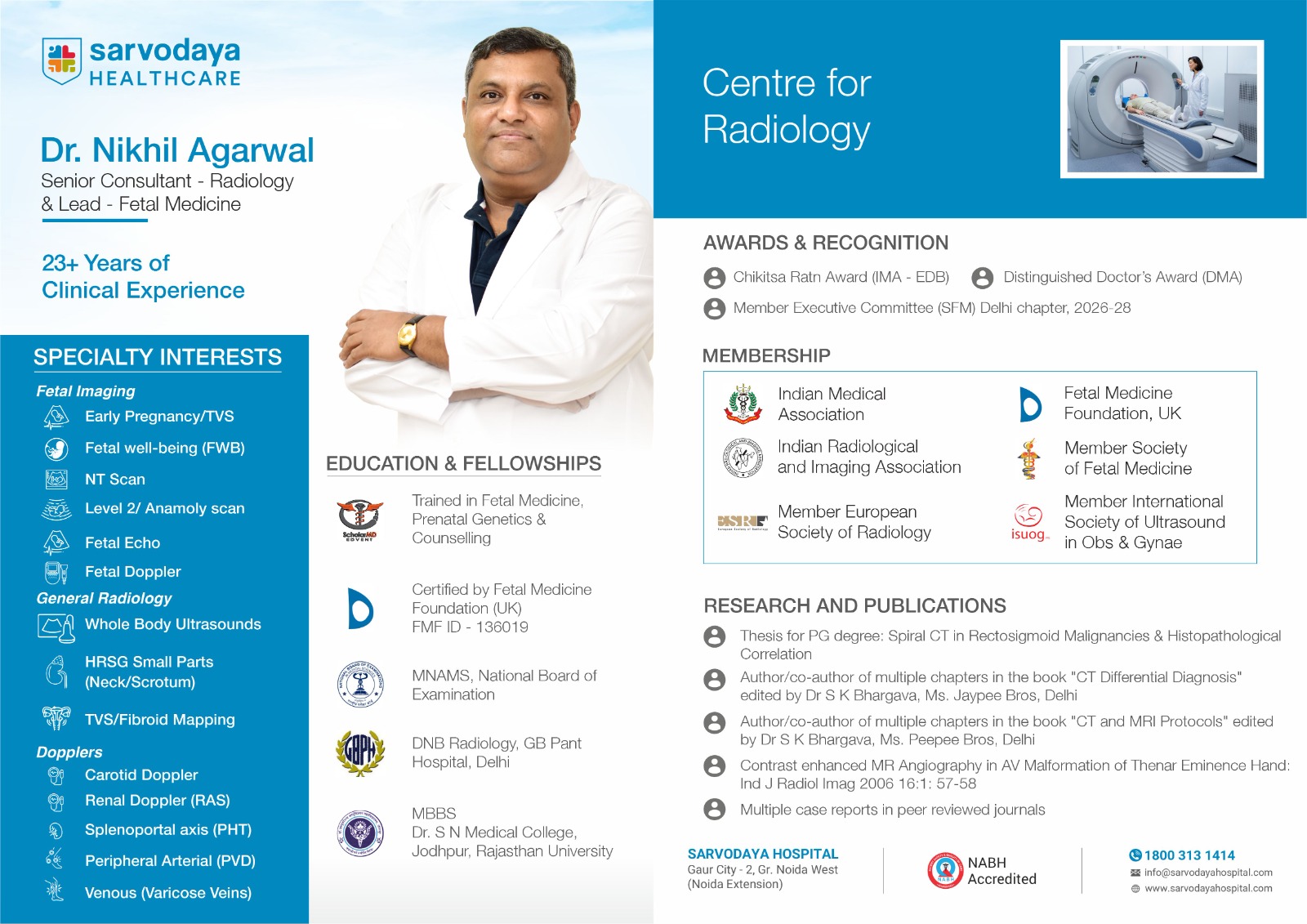
Dr. Nikhil Agarwal

Dr. Nikhil Agarwal

Senior Consultant - Radiology & Lead Fetal Medicine

Sarvodaya Hospital

View profile
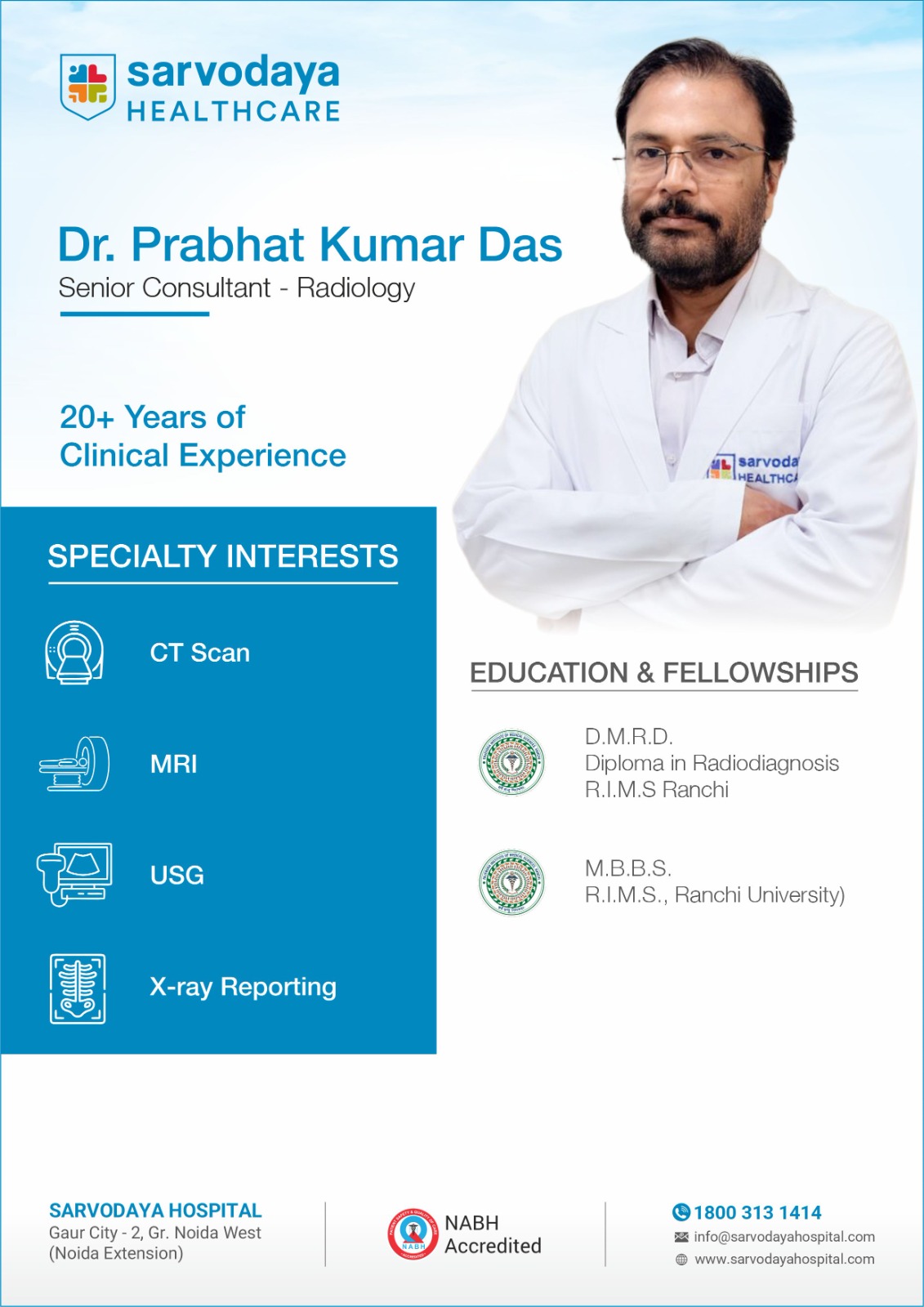
Dr. Prabhat Kumar Das

Dr. Prabhat Kumar Das

Senior Consultant - Radiology

Sarvodaya Hospital

View profile
Dr. Alka Ashmita Singhal

Dr. Alka Ashmita Singhal

Associate Director, Radiology & Imaging

Medanta - The Medicity

View profile
Dr. Anubhav Harish Khandelwal

Dr. Anubhav Harish Khandelwal

Director, Radiology & Imaging

Medanta - The Medicity

View profile
Dr. Kulbir Ahlawat

Dr. Kulbir Ahlawat

Vice Chairman, Radiology & Imaging

Medanta - The Medicity

View profile
Dr. Manas Kumar Sahoo

Dr. Manas Kumar Sahoo

Associate Director, Radiology & Imaging

Medanta - The Medicity

View profile

Compare Facilities

Hospitals Offering This Specialty

FAQ

Frequently Asked Questions

Is the radiation from X-rays or CT scans dangerous?

The amount of radiation used in most diagnostic imaging is very small and carefully controlled to minimize risk. The benefits of an accurate diagnosis generally far outweigh the minimal risks associated with the radiation exposure.

What is the difference between an MRI and a CT scan?

A CT scan uses X-rays to create detailed cross-sectional images of bones, blood vessels, and soft tissues. An MRI uses strong magnetic fields and radio waves to produce detailed images, and is particularly useful for examining the brain, spinal cord, nerves, and muscles without using ionizing radiation.

What happens during a PET scan?

During a PET scan, a small amount of a radioactive tracer is injected into your vein. The scanner then detects this tracer to evaluate organ and tissue functions, which is highly effective in identifying cellular level changes, such as early-stage cancer.

Can I have an MRI if I have metal implants in my body?

It depends on the type of metal implant. Some modern implants are MRI-safe, but older ones or certain devices like pacemakers or cochlear implants may be contraindicated. You must inform your radiologist about any metal inside your body before the scan.

Will I feel claustrophobic during an MRI?

Some patients do feel claustrophobic inside a traditional MRI machine. However, many centers now offer wide-bore or open MRI machines that are more comfortable. If you are anxious, your doctor may provide a mild sedative to help you relax.

Are nuclear medicine scans safe for children?

Yes, nuclear medicine scans can be safely performed on children when necessary. The dose of the radioactive tracer is carefully adjusted based on the child's weight and size to ensure the lowest possible radiation exposure while obtaining necessary diagnostic information.

Editorial Transparency

Educational Information, Not a Diagnosis

This guide summarizes general information from established medical sources. It does not replace consultation, diagnosis or an individualized treatment plan. Options, costs, timelines and possible outcomes depend on clinical assessment.

Reviewed: 2026-08-27

Ready to Organize a Specialist Review?

Send the available reports. MHF helps identify suitable teams and compare responses before any decision.

Chat on WhatsApp