⚠️ We are closely monitoring the recent Ebola outbreak in the Democratic Republic of the Congo. We extend our deepest sympathies to the Congolese people during this challenging time, and our thoughts and steadfast support remain with the affected communities.
Pathology & Laboratory Medicine
MHF Patient Guide

Pathology & Laboratory Medicine

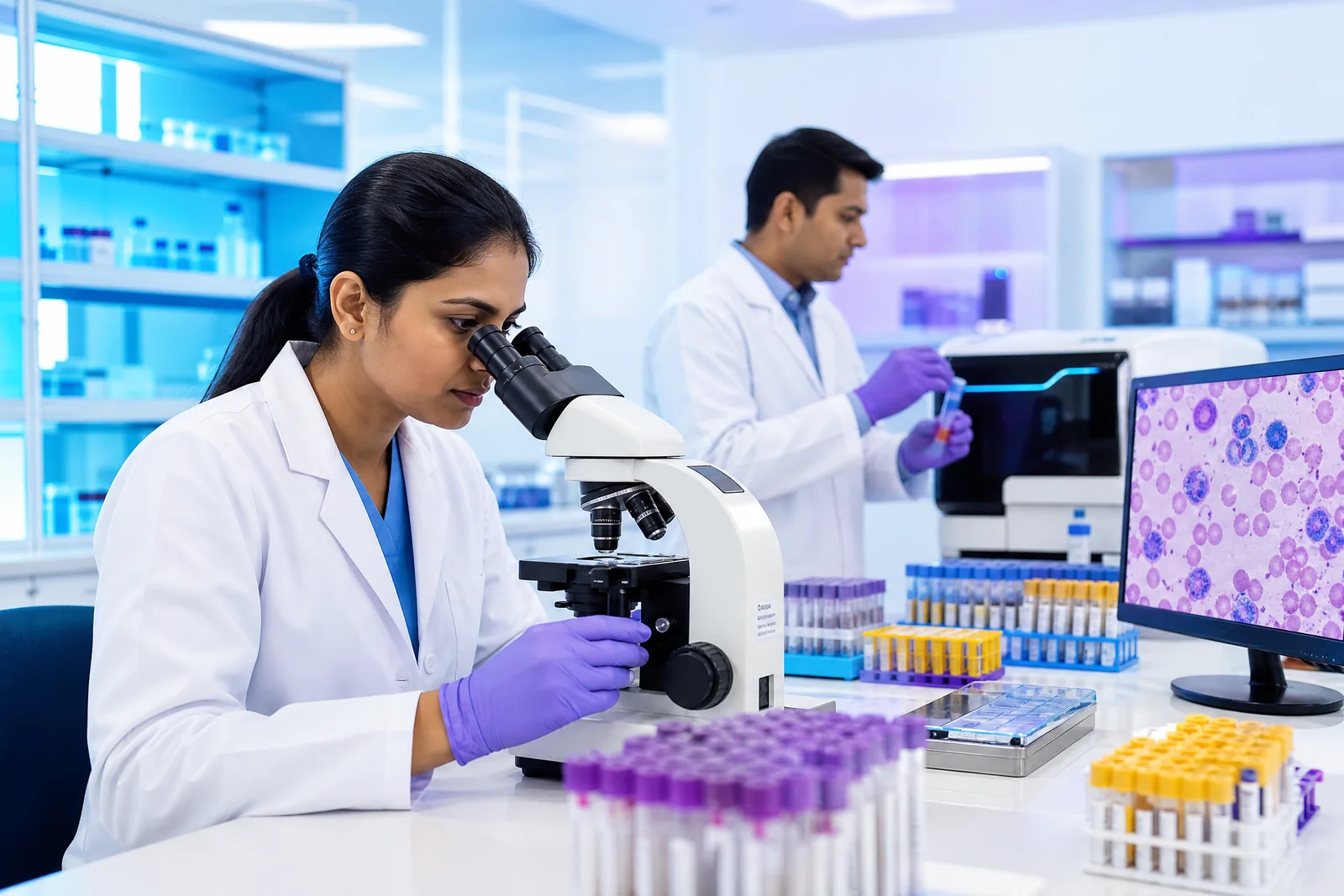
Pathology and laboratory medicine are critical components of modern healthcare, focusing on the study and diagnosis of disease through the examination of organs, tissues, bodily fluids, and whole bodies (autopsies). This specialty provides the essential diagnostic foundation upon which personalized treatment plans are built. In advanced medical centers, pathologists utilize state-of-the-art technologies, including molecular diagnostics, genetic sequencing, and digital pathology, to deliver precise and timely results. For international patients seeking care in India, access to accredited, high-quality laboratory services ensures accurate diagnoses, guiding effective therapies for complex conditions such as cancer, infectious diseases, and genetic disorders.

30
specialist profiles
4+
hospitals to explore
EN / FR
bilingual coordination
24–48h
initial response target

Understand the specialty

Clinical Overview and Direction

Pathology and laboratory medicine are critical components of modern healthcare, focusing on the study and diagnosis of disease through the examination of organs, tissues, bodily fluids, and whole bodies (autopsies). This specialty provides the essential diagnostic foundation upon which personalized treatment plans are built. In advanced medical centers, pathologists utilize state-of-the-art technologies, including molecular diagnostics, genetic sequencing, and digital pathology, to deliver precise and timely results. For international patients seeking care in India, access to accredited, high-quality laboratory services ensures accurate diagnoses, guiding effective therapies for complex conditions such as cancer, infectious diseases, and genetic disorders.

Conditions Commonly Evaluated

  • Benign and malignant tumors (Cancer diagnosis and staging)
  • Infectious diseases (Bacterial, viral, fungal, and parasitic infections)
  • Autoimmune and inflammatory conditions
  • Hematological disorders (Anemia, leukemia, lymphoma)
  • Genetic and hereditary diseases
  • Metabolic and endocrine disorders
  • Renal and hepatic diseases

When to Seek Urgent Local Care

Do not delay urgent care while arranging international travel.

  • Severe, unexplained bleeding or easy bruising that does not stop
  • Sudden onset of severe jaundice (yellowing of the skin or eyes)
  • High fever with chills, confusion, or a stiff neck
  • Rapid, unexplained weight loss accompanied by extreme fatigue

Diagnostics and Useful Records

Complete records help the clinical team prepare a more useful opinion before travel.

Complete Blood Count (CBC) and comprehensive metabolic panels
Histopathology (microscopic examination of tissue biopsies)
Cytopathology (examination of cells from fluids or smears, e.g., Pap smear)
Molecular diagnostics and PCR testing for genetic mutations and pathogens
Immunohistochemistry (IHC) for identifying specific cellular markers
Flow cytometry for analyzing cell populations in blood and bone marrow
Microbiology cultures and antimicrobial susceptibility testing
Clinical chemistry and toxicology screens

Treatment Approaches to Discuss

Treatment depends on the confirmed diagnosis, overall health, investigations, goals and specialist-team assessment.

Blood transfusion compatibility testing and blood banking
Therapeutic phlebotomy
Apheresis procedures (plasma exchange, leukapheresis)
Guidance for targeted cancer therapies based on molecular profiling
Monitoring of therapeutic drug levels
Stem cell processing for transplantation

Selecting the Right Specialist

When selecting a pathology and laboratory medicine center in India, international patients should prioritize facilities that hold recognized accreditations, such as from the National Accreditation Board for Testing and Calibration Laboratories (NABL) or the College of American Pathologists (CAP). These accreditations ensure adherence to strict quality control standards and accuracy in testing. Look for centers equipped with advanced diagnostic technologies and staffed by highly qualified, board-certified pathologists with subspecialty expertise (e.g., hematopathology, molecular pathology, or dermatopathology). Additionally, consider hospitals that offer comprehensive, multidisciplinary care, ensuring seamless communication between the laboratory and your treating physicians for optimal patient outcomes.

Preparing for Evaluation

Preparation for pathology and laboratory tests varies depending on the specific investigation ordered by your physician. For many routine blood tests, you may be required to fast (abstain from food and drink, except water) for 8 to 12 hours prior to the sample collection. It is crucial to inform your healthcare team about all medications, supplements, and herbal remedies you are currently taking, as these can interfere with test results. If you are undergoing a biopsy, your doctor will provide specific instructions regarding the cessation of blood-thinning medications and guidelines for eating and drinking before the procedure. Ensure you bring all relevant previous medical records and test results to provide a comprehensive medical history to the specialists in India.

Recovery and Continuity of Care

Recovery following laboratory procedures is generally minimal. For standard blood draws, you may experience slight bruising or tenderness at the puncture site, which typically resolves within a few days. After a tissue biopsy, the recovery process depends on the location and type of biopsy performed; minor discomfort, swelling, or mild bleeding may occur, and you will receive specific post-procedure care instructions from your clinical team. It is important to rest as advised and monitor the biopsy site for any signs of infection, such as increased redness, warmth, or discharge. The laboratory results will be communicated to your primary physician, who will discuss the findings and next steps in your treatment plan with you.

Discharge summary
Medication plan
Remote follow-up
Questions to Ask the Clinical Team

1Are your laboratory facilities accredited by international or national quality boards like CAP or NABL?
2How long will it take to receive the final results for my specific biopsy or blood test?
3Do you offer advanced molecular and genetic profiling for my condition?
4Will the pathology report be available in English and explained to me clearly?
5How do you ensure the privacy and security of my genetic and medical data?
6Is there a process for obtaining a second opinion on my pathology slides if needed?

Explore Profiles

Related Specialists

View all 30 profiles
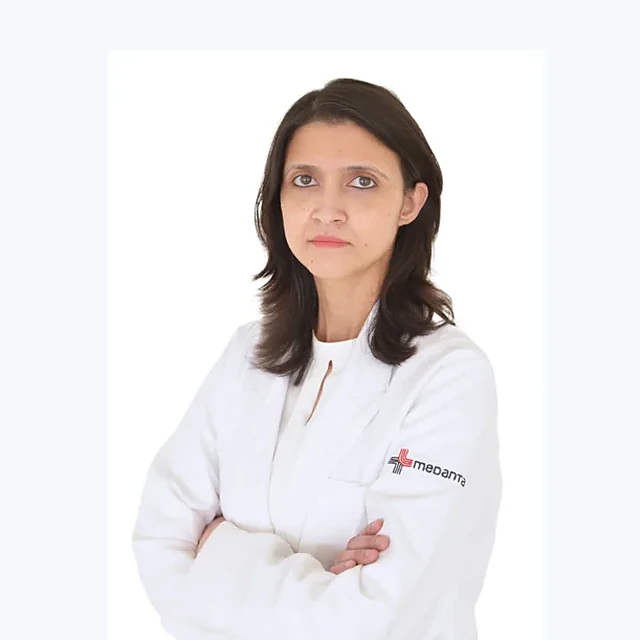
Dr. Abha Thakur

Dr. Abha Thakur

Senior Consultant, Lab & Pathology

Medanta - The Medicity

View profile
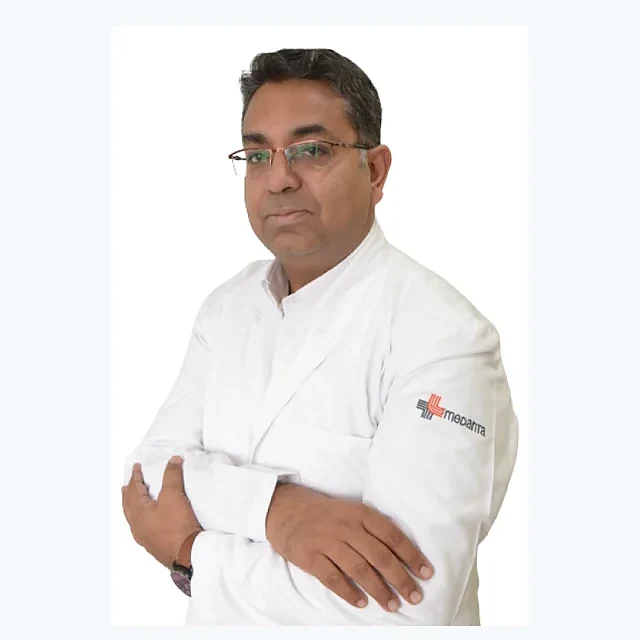
Dr. Anuj Parkash

Dr. Anuj Parkash

Associate Director, Lab & Pathology

Medanta - The Medicity

View profile
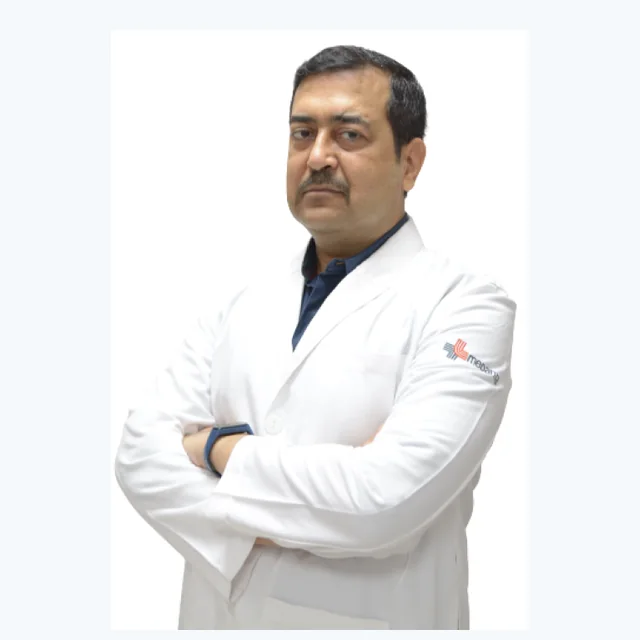
Dr. Aseem Kumar Tiwari

Dr. Aseem Kumar Tiwari

Senior Director, Lab & Pathology

Medanta - The Medicity

View profile
Dr. Dheeraj Gautam

Dr. Dheeraj Gautam

Director, Lab & Pathology

Medanta - The Medicity

View profile
Dr. Divya Taneja

Dr. Divya Taneja

Associate Consultant, Lab & Pathology

Medanta - The Medicity

View profile
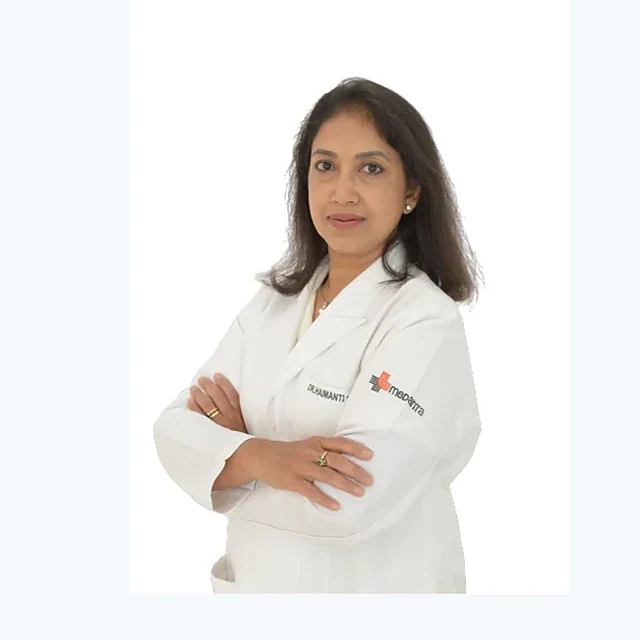
Dr. Haimanti Sarin

Dr. Haimanti Sarin

Director, Lab & Pathology

Medanta - The Medicity

View profile

Compare Facilities

Hospitals Offering This Specialty

FAQ

Frequently Asked Questions

What is the difference between a clinical pathologist and an anatomic pathologist?

Clinical pathologists primarily analyze bodily fluids like blood and urine to diagnose disease and monitor treatment. Anatomic pathologists focus on examining tissues and organs, often through biopsies or surgical resections, to identify conditions such as cancer.

Why might my doctor order a molecular pathology test?

Molecular pathology tests analyze the DNA, RNA, or proteins within your cells. They are crucial for identifying specific genetic mutations that may cause disease, predicting how a tumor might behave, and guiding the selection of targeted therapies, especially in cancer care.

Can I bring my previous pathology slides or blocks from my home country for review in India?

Yes, many advanced hospitals in India encourage international patients to bring their previous pathology slides or tissue blocks for a second opinion. This helps confirm the diagnosis and ensures that the proposed treatment plan is based on the most accurate information.

What does a 'false positive' or 'false negative' result mean?

A false positive result indicates that a disease or condition is present when it actually is not. A false negative result indicates that a disease is absent when it is actually present. Accredited laboratories use rigorous quality control measures to minimize the risk of these errors.

Is fasting always required for blood tests?

No, fasting is not required for all blood tests. It is typically necessary for tests measuring glucose (sugar) levels, cholesterol, and triglycerides. Your doctor or the laboratory staff will provide specific instructions on whether you need to fast before your scheduled test.

How are tissue samples processed after a biopsy?

After a biopsy, the tissue sample is sent to the laboratory where it is preserved, embedded in wax, and sliced into extremely thin sections. These sections are placed on glass slides, stained with special dyes to highlight cellular structures, and then examined under a microscope by a pathologist.

Editorial Transparency

Educational Information, Not a Diagnosis

This guide summarizes general information from established medical sources. It does not replace consultation, diagnosis or an individualized treatment plan. Options, costs, timelines and possible outcomes depend on clinical assessment.

Reviewed: 2026-08-27

Ready to Organize a Specialist Review?

Send the available reports. MHF helps identify suitable teams and compare responses before any decision.

Chat on WhatsApp