⚠️ We are closely monitoring the recent Ebola outbreak in the Democratic Republic of the Congo. We extend our deepest sympathies to the Congolese people during this challenging time, and our thoughts and steadfast support remain with the affected communities.
Paediatrics & Neonatology
MHF Patient Guide

Paediatrics & Neonatology

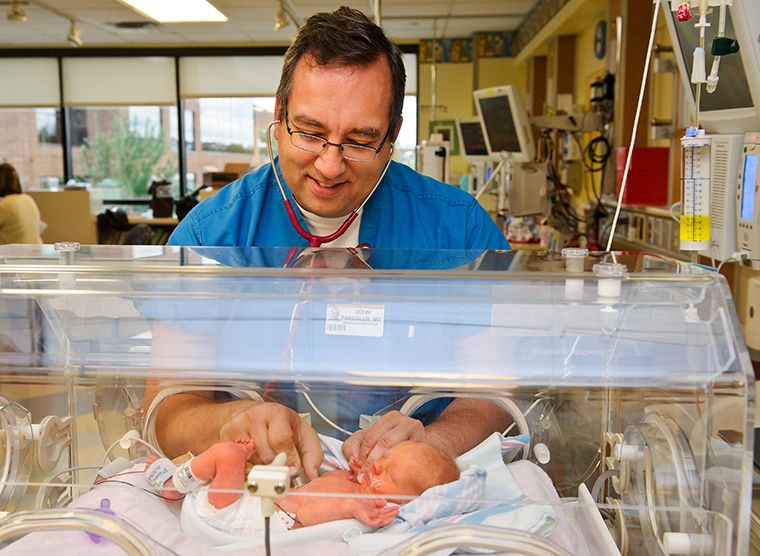
Paediatrics and neonatology focus on the comprehensive medical care of infants, children, and adolescents. Neonatology specifically addresses the complex needs of newborn infants, especially those who are ill or born prematurely. This specialty encompasses the diagnosis, treatment, and ongoing management of various congenital, developmental, and acquired conditions to ensure optimal growth and long-term well-being.

89
specialist profiles
10+
hospitals to explore
EN / FR
bilingual coordination
24–48h
initial response target

Understand the specialty

Clinical Overview and Direction

Paediatrics and neonatology focus on the comprehensive medical care of infants, children, and adolescents. Neonatology specifically addresses the complex needs of newborn infants, especially those who are ill or born prematurely. This specialty encompasses the diagnosis, treatment, and ongoing management of various congenital, developmental, and acquired conditions to ensure optimal growth and long-term well-being.

Conditions Commonly Evaluated

  • Prematurity and low birth weight
  • Congenital heart defects
  • Respiratory distress syndrome
  • Neonatal jaundice
  • Childhood asthma and allergies
  • Developmental delays and disorders
  • Pediatric infectious diseases
  • Gastrointestinal disorders in children

When to Seek Urgent Local Care

Do not delay urgent care while arranging international travel.

  • Severe difficulty breathing or rapid breathing
  • High fever in an infant under 3 months
  • Persistent vomiting or signs of severe dehydration
  • Seizures or unresponsiveness

Diagnostics and Useful Records

Complete records help the clinical team prepare a more useful opinion before travel.

Neonatal screening tests
Pediatric blood tests and metabolic panels
Echocardiograms for congenital heart disease
Ultrasound and pediatric MRI
Lung function testing
Allergy testing
Developmental assessments
Genetic testing

Treatment Approaches to Discuss

Treatment depends on the confirmed diagnosis, overall health, investigations, goals and specialist-team assessment.

Neonatal intensive care (NICU) support
Ventilator support for premature infants
Phototherapy for jaundice
Pediatric surgery for congenital anomalies
Immunization programs
Nutritional support and feeding therapy
Management of chronic pediatric conditions
Physical and occupational therapy

Selecting the Right Specialist

When selecting a pediatrician or neonatologist, consider their board certifications, specialized training in pediatric subspecialties, and experience with your child's specific medical needs. It is important to choose a specialist affiliated with a well-equipped children's hospital that offers comprehensive support services, including pediatric intensive care and specialized diagnostic facilities. A doctor who communicates clearly and empathetically with both you and your child is essential.

Preparing for Evaluation

Before a pediatric or neonatal consultation, gather all relevant medical records, including prenatal history, birth records, growth charts, and a complete list of vaccinations. Note any specific symptoms, developmental milestones, or concerns you have observed. Prepare a list of current medications and allergies. Ensuring your child is rested and fed before the appointment can help make the visit smoother.

Recovery and Continuity of Care

Recovery and ongoing care in pediatrics depend heavily on the specific condition. For neonatal care, it involves close monitoring of weight gain, feeding patterns, and developmental progress after hospital discharge. Parents will receive detailed instructions on medication administration, signs of complications to watch for, and a schedule for follow-up appointments. A supportive home environment and adherence to the care plan are vital for a child's optimal recovery and growth.

Discharge summary
Medication plan
Remote follow-up
Questions to Ask the Clinical Team

1What is the specific diagnosis and what does it mean for my child's development?
2What are the available treatment options and their potential side effects?
3How long will my child need to stay in the hospital or NICU?
4What signs of emergency should I watch out for at home?
5Are there any long-term lifestyle or dietary changes required?
6What is the schedule for follow-up care and vaccinations?

Explore Profiles

Related Specialists

View all 89 profiles
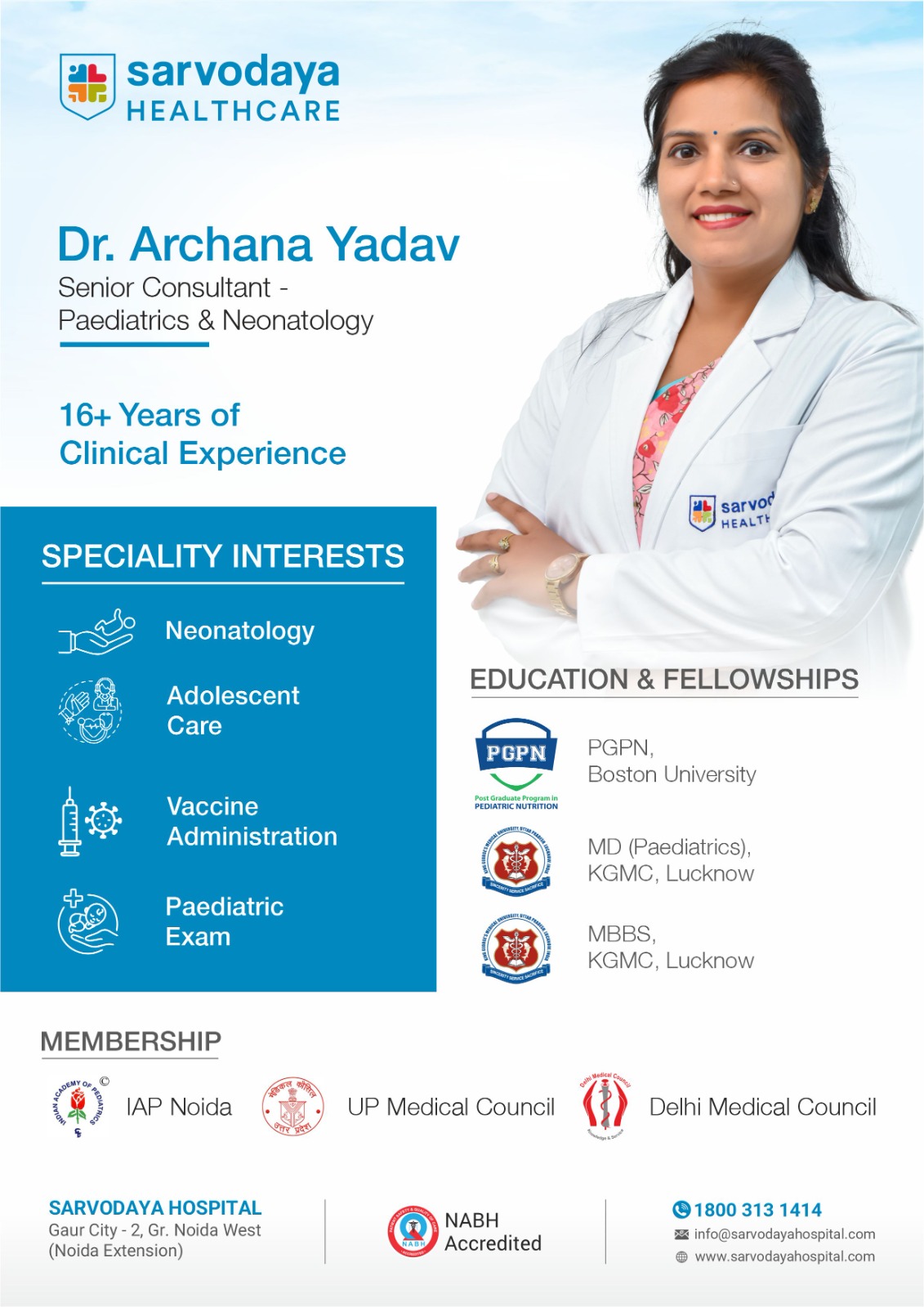
Dr. Archana Yadav

Dr. Archana Yadav

Senior Consultant - Paediatrics & Neonatology

Sarvodaya Hospital

View profile
Dr. Ankit Gupta

Dr. Ankit Gupta

Senior Consultant, Paediatric Care

Medanta - The Medicity

View profile
Dr. Deep Shikha

Dr. Deep Shikha

Senior Consultant, Paediatric Care

Medanta - The Medicity

View profile
Dr. Meera Luthra

Dr. Meera Luthra

Visiting Consultant, Paediatric Care

Medanta - The Medicity

View profile
Dr. Mona Kulpati

Dr. Mona Kulpati

Senior Consultant Paediatric Care

Medanta - The Medicity

View profile
Dr. Praney Gupta

Dr. Praney Gupta

Senior Consultant Paediatric Care

Medanta - The Medicity

View profile

Compare Facilities

Hospitals Offering This Specialty

FAQ

Frequently Asked Questions

What is the difference between a pediatrician and a neonatologist?

A pediatrician cares for infants, children, and adolescents, while a neonatologist is a pediatrician with specialized training in the care of newborns, particularly those who are premature or critically ill.

How often should my child see a pediatrician for check-ups?

Infants require frequent visits in their first year (often at 1, 2, 4, 6, 9, and 12 months) for vaccinations and growth monitoring. After age 2, annual check-ups are generally recommended.

What is the NICU and why might a baby need to go there?

The Neonatal Intensive Care Unit (NICU) is a specialized hospital unit for newborns who need intensive medical attention, often due to prematurity, low birth weight, or severe medical conditions.

Are all childhood vaccinations necessary?

Yes, vaccinations are a crucial part of pediatric care. They protect children from serious and potentially fatal infectious diseases and help prevent outbreaks in the community.

How can I prepare my child for a medical procedure?

Explain the procedure using simple, age-appropriate language. Reassure them, bring a comforting toy or blanket, and remain calm yourself, as children often pick up on their parents' anxiety.

What should I do if my newborn has a fever?

A fever in a newborn (under 3 months old) is considered a medical emergency. You should contact your doctor or seek urgent medical care immediately without giving any fever-reducing medication.

Editorial Transparency

Educational Information, Not a Diagnosis

This guide summarizes general information from established medical sources. It does not replace consultation, diagnosis or an individualized treatment plan. Options, costs, timelines and possible outcomes depend on clinical assessment.

Reviewed: 2026-08-27

Ready to Organize a Specialist Review?

Send the available reports. MHF helps identify suitable teams and compare responses before any decision.

Chat on WhatsApp