⚠️ We are closely monitoring the recent Ebola outbreak in the Democratic Republic of the Congo. We extend our deepest sympathies to the Congolese people during this challenging time, and our thoughts and steadfast support remain with the affected communities.
Kidney Transplant
MHF Patient Guide

Kidney Transplant

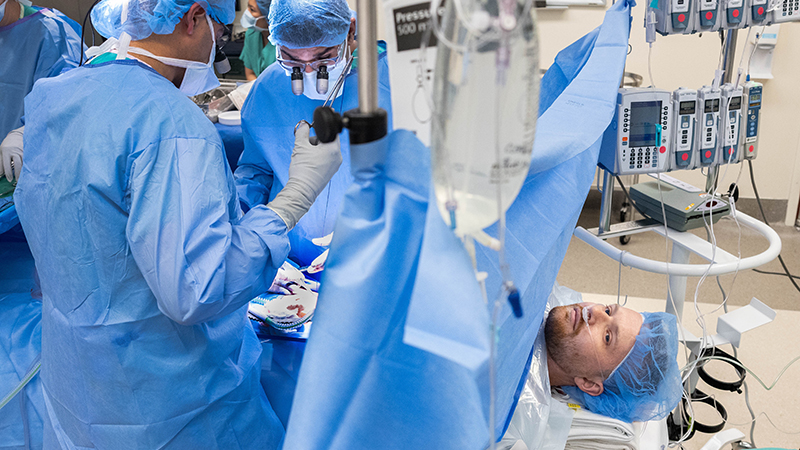
A kidney transplant is a surgical procedure to place a healthy kidney from a living or deceased donor into a person whose kidneys no longer function properly. It is often the treatment of choice for end-stage renal disease (ESRD), offering a better quality of life and longer survival compared to long-term dialysis. For international patients seeking care in India, comprehensive evaluation, advanced surgical techniques, and dedicated post-operative care are essential components of a successful transplant journey.

13
specialist profiles
4+
hospitals to explore
EN / FR
bilingual coordination
24–48h
initial response target

Understand the specialty

Clinical Overview and Direction

A kidney transplant is a surgical procedure to place a healthy kidney from a living or deceased donor into a person whose kidneys no longer function properly. It is often the treatment of choice for end-stage renal disease (ESRD), offering a better quality of life and longer survival compared to long-term dialysis. For international patients seeking care in India, comprehensive evaluation, advanced surgical techniques, and dedicated post-operative care are essential components of a successful transplant journey.

Conditions Commonly Evaluated

  • End-stage renal disease (ESRD)
  • Chronic kidney disease (CKD)
  • Polycystic kidney disease
  • Glomerulonephritis
  • Diabetic nephropathy
  • Hypertensive nephrosclerosis
  • Congenital kidney defects

When to Seek Urgent Local Care

Do not delay urgent care while arranging international travel.

  • Severe shortness of breath or fluid buildup in the lungs
  • Chest pain or severe pressure
  • Confusion, extreme fatigue, or loss of consciousness
  • Uncontrolled high blood pressure despite medication
  • Inability to urinate or significant decrease in urine output

Diagnostics and Useful Records

Complete records help the clinical team prepare a more useful opinion before travel.

Blood tests for blood type and tissue matching (HLA typing)
Crossmatching to check for antibodies
Kidney ultrasound and Doppler imaging
Echocardiogram and EKG for heart health
Chest X-ray and pulmonary function tests
Viral screening (HIV, Hepatitis B and C, CMV)
Comprehensive metabolic panel and complete blood count
Cancer screening based on age and guidelines

Treatment Approaches to Discuss

Treatment depends on the confirmed diagnosis, overall health, investigations, goals and specialist-team assessment.

Living donor kidney transplantation
Deceased donor kidney transplantation
Pre-emptive kidney transplant (before dialysis is needed)
ABO-incompatible kidney transplant
Paired kidney exchange programs
Immunosuppressive medication management
Treatment of post-transplant complications
Long-term post-transplant monitoring

Selecting the Right Specialist

When selecting a kidney transplant specialist and center, look for institutions with high volumes of successful transplant procedures and comprehensive multidisciplinary teams. The team should include experienced transplant surgeons, nephrologists, infectious disease specialists, dietitians, and transplant coordinators. Verify the hospital's international accreditations, such as JCI, and their experience in managing international patients. It is also important to consider the center's protocols for post-operative care, their success rates for living and deceased donor transplants, and their ability to handle complex cases like ABO-incompatible transplants.

Preparing for Evaluation

Preparation for a kidney transplant involves a rigorous medical and psychological evaluation for both the recipient and the potential living donor. Patients must undergo numerous diagnostic tests to ensure they are healthy enough for surgery and to minimize the risk of organ rejection. It is crucial to maintain optimal health through a balanced diet, prescribed medications, and attending all scheduled dialysis sessions if already on dialysis. International patients should also plan for a prolonged stay abroad, ensuring they have the necessary visas, financial arrangements, and a dedicated support person to assist during the recovery phase.

Recovery and Continuity of Care

Recovery after a kidney transplant requires a hospital stay of typically a week, followed by several weeks of close monitoring in the destination country. The new kidney may start working immediately, or it might take a few weeks, requiring temporary dialysis. Patients must adhere strictly to a lifelong regimen of immunosuppressive medications to prevent organ rejection. Regular blood tests and clinic visits are essential to monitor kidney function and adjust medication doses. A healthy lifestyle, including a specialized diet, regular exercise, and avoiding infections, is vital for the long-term success of the transplant.

Discharge summary
Medication plan
Remote follow-up

Questions to Ask the Clinical Team

1What are the specific risks and benefits of a kidney transplant for my condition?
2How long will I need to stay in India for the surgery and initial recovery?
3What is the evaluation process for my potential living donor?
4How will my post-transplant care be coordinated once I return to my home country?
5What are the costs involved, including surgery, medications, and potential complications?
6What lifestyle changes will I need to make after the transplant?
7What happens if my body rejects the new kidney?

Explore Profiles

Related Specialists

View all 13 profiles
Dr Sandeep Guleria

Dr Sandeep Guleria

Renal Transplant Surgeon

Indraprastha Apollo Hospital

View profile
Dr. Anant Kumar

Dr. Anant Kumar

Chairman - Urology Renal Transplant and Robotics of Max Saket Complex and Uro-Oncology of MSSH Saket

Max Super Speciality Hospital

View profile
Dr. Dinesh Khullar

Dr. Dinesh Khullar

Group Chairman - Nephrology & Renal Transplant Medicine

Max Super Speciality Hospital

View profile
Dr. Kulwant Singh

Dr. Kulwant Singh

Associate Director

Max Super Speciality Hospital

View profile
Dr. Mrigank Shekhar Jha

Dr. Mrigank Shekhar Jha

Senior Director

Max Super Speciality Hospital

View profile
Dr. Manju Aggarwal

Dr. Manju Aggarwal

Chief - Medical Services & Chairperson - Nephrology

Artemis Hospital

View profile

Compare Facilities

Hospitals Offering This Specialty

FAQ

Frequently Asked Questions

Is a kidney transplant a cure for kidney failure?

A kidney transplant is a highly effective treatment for kidney failure, but it is not considered a complete cure. Patients must take immunosuppressive medications for the rest of their lives to prevent rejection and require ongoing medical monitoring.

Can I receive a kidney from someone with a different blood type?

Yes, in many specialized centers, ABO-incompatible kidney transplants are possible. This requires specialized medical treatments before and after the surgery to lower antibody levels and prevent the body from rejecting the incompatible kidney.

How long does a transplanted kidney typically last?

The lifespan of a transplanted kidney varies depending on many factors, including whether it came from a living or deceased donor. On average, a living donor kidney lasts 15 to 20 years, while a deceased donor kidney lasts 10 to 15 years, though many last much longer.

What happens if the transplanted kidney fails?

If a transplanted kidney fails, patients can usually return to dialysis. In many cases, they may also be evaluated for a second kidney transplant if they are otherwise healthy enough for the procedure.

Can I have a normal pregnancy after a kidney transplant?

Many women have successful pregnancies after a kidney transplant. However, it is generally recommended to wait at least one to two years after the transplant and to plan the pregnancy closely with your medical team, as some medications may need to be adjusted.

Will I need to stay in India for a long time after the surgery?

International patients are typically advised to stay in India for about 8 to 12 weeks after a kidney transplant. This period is crucial for close monitoring of kidney function, adjusting medications, and ensuring there are no signs of infection or rejection before returning home.

Editorial Transparency

Educational Information, Not a Diagnosis

This guide summarizes general information from established medical sources. It does not replace consultation, diagnosis or an individualized treatment plan. Options, costs, timelines and possible outcomes depend on clinical assessment.

Reviewed: 2026-08-27

Ready to Organize a Specialist Review?

Send the available reports. MHF helps identify suitable teams and compare responses before any decision.

Chat on WhatsApp