⚠️ We are closely monitoring the recent Ebola outbreak in the Democratic Republic of the Congo. We extend our deepest sympathies to the Congolese people during this challenging time, and our thoughts and steadfast support remain with the affected communities.
Haematology & Bone Marrow Transplant
MHF Patient Guide

Haematology & Bone Marrow Transplant

Haematology and Bone Marrow Transplant (BMT) is a specialized medical field focused on the diagnosis, treatment, and management of blood disorders, including cancers like leukemia, lymphoma, and myeloma, as well as non-malignant conditions like severe anemia and bleeding disorders. Bone marrow transplantation is a critical procedure that replaces damaged or destroyed bone marrow with healthy stem cells, offering a potential cure for various life-threatening diseases. The specialty integrates advanced diagnostic techniques, targeted therapies, and comprehensive supportive care to manage complex blood-related conditions.

24
specialist profiles
7+
hospitals to explore
EN / FR
bilingual coordination
24–48h
initial response target

Understand the specialty

Clinical Overview and Direction

Haematology and Bone Marrow Transplant (BMT) is a specialized medical field focused on the diagnosis, treatment, and management of blood disorders, including cancers like leukemia, lymphoma, and myeloma, as well as non-malignant conditions like severe anemia and bleeding disorders. Bone marrow transplantation is a critical procedure that replaces damaged or destroyed bone marrow with healthy stem cells, offering a potential cure for various life-threatening diseases. The specialty integrates advanced diagnostic techniques, targeted therapies, and comprehensive supportive care to manage complex blood-related conditions.

Conditions Commonly Evaluated

  • Acute and chronic leukemias
  • Hodgkin and non-Hodgkin lymphomas
  • Multiple myeloma
  • Aplastic anemia
  • Sickle cell disease
  • Thalassemia
  • Myelodysplastic syndromes (MDS)
  • Hemophilia and other bleeding disorders

When to Seek Urgent Local Care

Do not delay urgent care while arranging international travel.

  • Unexplained, persistent high fever
  • Severe, uncontrollable bleeding or easy bruising
  • Extreme fatigue accompanied by shortness of breath
  • Sudden, severe bone or joint pain

Diagnostics and Useful Records

Complete records help the clinical team prepare a more useful opinion before travel.

Complete blood count (CBC) with differential
Bone marrow aspiration and biopsy
Flow cytometry
Cytogenetic and molecular testing
PET-CT and MRI scans
Coagulation profile
Lumbar puncture (spinal tap)

Treatment Approaches to Discuss

Treatment depends on the confirmed diagnosis, overall health, investigations, goals and specialist-team assessment.

Autologous stem cell transplant
Allogeneic stem cell transplant
Chemotherapy and targeted therapy
Immunotherapy (including CAR T-cell therapy)
Blood transfusions
Radiation therapy
Growth factor support
Immunosuppressive therapy

Selecting the Right Specialist

When selecting a specialist and center for hematology and bone marrow transplantation, look for institutions with international accreditation (such as JCI or FACT) and dedicated transplant units. The ideal center should have a multidisciplinary team comprising experienced transplant physicians, hematopathologists, specialized nurses, and support staff. Consider the center's experience with your specific condition, the availability of advanced therapies like CAR T-cell treatment, and their protocols for managing post-transplant complications. Clear communication, comprehensive patient support services, and transparent discussions about the entire treatment continuum are vital factors in your decision.

Preparing for Evaluation

Preparation for a bone marrow transplant or major hematological treatment is extensive and involves comprehensive physical and psychological evaluations. Patients undergo a series of baseline tests, including organ function assessments (heart, lungs, kidneys, liver), dental exams to rule out infections, and infectious disease screening. A central venous catheter is usually placed for medication delivery and blood draws. Nutritional counseling and psychological support are integral parts of the preparation phase. The clinical team will discuss the conditioning regimen, which may include high-dose chemotherapy or radiation, and ensure patients understand the risks, expected timeline, and the necessity of strict infection control measures.

Recovery and Continuity of Care

Recovery from a bone marrow transplant is a gradual process that can take several months to a year. In the immediate post-transplant period, patients are highly susceptible to infections and require hospitalization in a specialized, filtered-air room until their blood counts recover (engraftment). Careful monitoring for complications such as graft-versus-host disease (GVHD), organ toxicity, and infections is critical. Patients will need frequent follow-up visits, blood tests, and adjustments to immunosuppressive or prophylactic medications. Maintaining a strict diet, practicing rigorous hygiene, and gradually resuming physical activity under medical guidance are essential components of the long-term recovery journey.

Discharge summary
Medication plan
Remote follow-up

Questions to Ask the Clinical Team

1What specific type of blood disorder do I have, and what is its stage?
2Am I a candidate for a bone marrow transplant, and what type (autologous or allogeneic) is recommended?
3What are the success rates and potential long-term risks associated with my treatment plan?
4How will we find a suitable donor if an allogeneic transplant is needed?
5What is the expected duration of hospitalization and the overall recovery timeline?
6How will we monitor and manage complications like graft-versus-host disease (GVHD)?
7What precautions must I take to prevent infections during my recovery?

Explore Profiles

Related Specialists

View all 24 profiles
Dr. Dhwanee Thakkar

Dr. Dhwanee Thakkar

Senior Consultant, Bone Marrow Transplant

Medanta - The Medicity

View profile
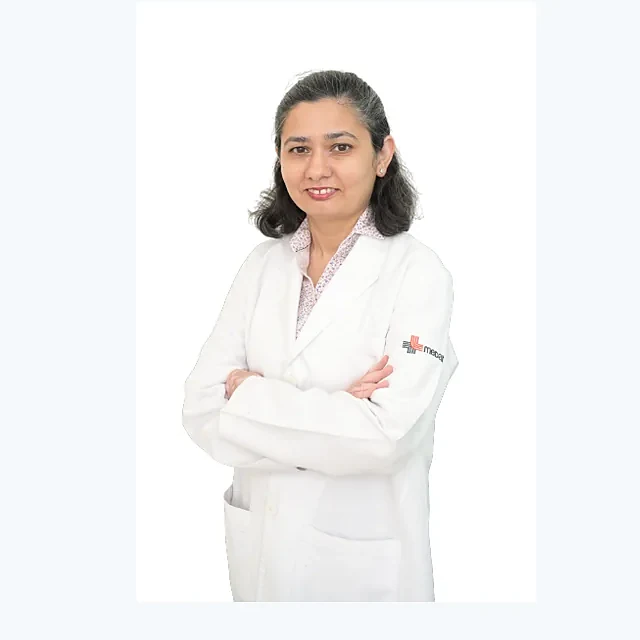
Dr. Neha Rastogi

Dr. Neha Rastogi

Associate Director, Bone Marrow Transplant

Medanta - The Medicity

View profile
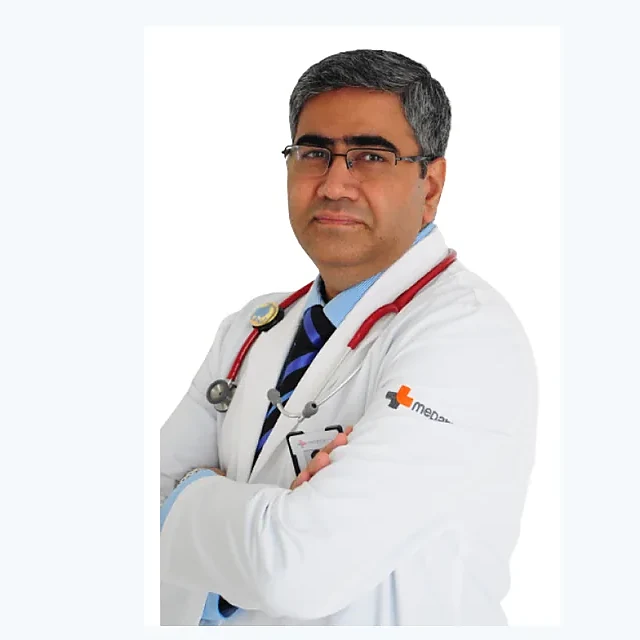
Dr. Nitin Sood

Dr. Nitin Sood

Vice Chairman, Bone Marrow Transplant

Medanta - The Medicity

View profile
Dr. Satya Prakash Yadav

Dr. Satya Prakash Yadav

Senior Director, Bone Marrow Transplant

Medanta - The Medicity

View profile
Dr. Tejasvini Vaid

Dr. Tejasvini Vaid

Consultant, Cancer Care

Medanta - The Medicity

View profile
Dr Gaurav Kharya

Dr Gaurav Kharya

Paediatric Haematologist

Indraprastha Apollo Hospital

View profile

Compare Facilities

Hospitals Offering This Specialty

FAQ

Frequently Asked Questions

What is the difference between an autologous and an allogeneic stem cell transplant?

An autologous transplant uses your own stem cells, which are collected and stored before you receive high-dose chemotherapy. An allogeneic transplant uses stem cells from a donor, who may be a relative or an unrelated matched volunteer.

How long does a bone marrow transplant procedure take?

The actual infusion of stem cells usually takes a few hours, similar to a blood transfusion. However, the entire process, including preparation, conditioning, and initial recovery in the hospital, typically takes 4 to 6 weeks.

What is graft-versus-host disease (GVHD)?

GVHD is a potential complication of allogeneic transplants where the donor's immune cells recognize the patient's body as foreign and attack it. It can affect the skin, liver, and digestive tract, and requires management with immunosuppressive medications.

Will I need to stay in isolation after the transplant?

Yes, because your immune system will be severely weakened, you will stay in a specialized hospital room with filtered air and strict hygiene protocols to protect you from infections until your new bone marrow begins producing healthy white blood cells.

Can I have visitors during my hospital stay?

Visitors are usually allowed but are strictly limited. Anyone visiting must be completely healthy, free from any signs of infection, and must follow rigorous hand-washing and protective clothing protocols to ensure your safety.

How long will I need to stay near the hospital after being discharged?

International patients are typically advised to stay near the transplant center for at least 100 days post-transplant. This allows the medical team to closely monitor your recovery, manage any complications promptly, and conduct frequent follow-up tests.

Editorial Transparency

Educational Information, Not a Diagnosis

This guide summarizes general information from established medical sources. It does not replace consultation, diagnosis or an individualized treatment plan. Options, costs, timelines and possible outcomes depend on clinical assessment.

Reviewed: 2026-08-27

Ready to Organize a Specialist Review?

Send the available reports. MHF helps identify suitable teams and compare responses before any decision.

Chat on WhatsApp