⚠️ We are closely monitoring the recent Ebola outbreak in the Democratic Republic of the Congo. We extend our deepest sympathies to the Congolese people during this challenging time, and our thoughts and steadfast support remain with the affected communities.
Endocrinology & Diabetes
MHF Patient Guide

Endocrinology & Diabetes

Endocrinology and diabetes care focus on the diagnosis, management, and treatment of conditions related to the endocrine system, which includes the glands that produce hormones. These hormones control metabolism, growth, and reproduction. For African international patients seeking specialized care in India, comprehensive evaluation and advanced management of complex endocrine disorders, particularly diabetes, thyroid conditions, and metabolic syndromes, are available. The approach integrates lifestyle modification with advanced medical therapies to achieve optimal hormonal balance and prevent long-term complications.

38
specialist profiles
9+
hospitals to explore
EN / FR
bilingual coordination
24–48h
initial response target

Understand the specialty

Clinical Overview and Direction

Endocrinology and diabetes care focus on the diagnosis, management, and treatment of conditions related to the endocrine system, which includes the glands that produce hormones. These hormones control metabolism, growth, and reproduction. For African international patients seeking specialized care in India, comprehensive evaluation and advanced management of complex endocrine disorders, particularly diabetes, thyroid conditions, and metabolic syndromes, are available. The approach integrates lifestyle modification with advanced medical therapies to achieve optimal hormonal balance and prevent long-term complications.

Conditions Commonly Evaluated

  • Type 1 Diabetes Mellitus
  • Type 2 Diabetes Mellitus
  • Gestational Diabetes
  • Hypothyroidism and Hyperthyroidism
  • Polycystic Ovary Syndrome (PCOS)
  • Adrenal Gland Disorders (e.g., Cushing's Syndrome, Addison's Disease)
  • Pituitary Gland Disorders
  • Osteoporosis and Metabolic Bone Diseases
  • Obesity and Metabolic Syndrome
  • Parathyroid Disorders

When to Seek Urgent Local Care

Do not delay urgent care while arranging international travel.

  • Diabetic ketoacidosis (DKA) symptoms such as extreme thirst, frequent urination, nausea, vomiting, abdominal pain, shortness of breath, and fruity-scented breath.
  • Hyperosmolar hyperglycemic state (HHS) characterized by severe dehydration and very high blood sugar levels without significant ketones.
  • Severe hypoglycemia (low blood sugar) causing confusion, loss of consciousness, or seizures.
  • Thyroid storm symptoms including dangerously high heart rate, high fever, agitation, and confusion.
  • Acute adrenal crisis presenting with severe weakness, confusion, pain in the lower back or legs, severe abdominal pain, vomiting and diarrhea, leading to dehydration and low blood pressure.

Diagnostics and Useful Records

Complete records help the clinical team prepare a more useful opinion before travel.

Fasting Blood Glucose and Oral Glucose Tolerance Test (OGTT)
Hemoglobin A1c (HbA1c) Test
Thyroid Function Tests (TSH, Free T3, Free T4)
Continuous Glucose Monitoring (CGM)
Bone Density Scan (DEXA)
Hormone Level Blood Tests (Cortisol, Testosterone, Estrogen, Prolactin)
Fine Needle Aspiration (FNA) Biopsy of the Thyroid
Ultrasound of the Thyroid or Parathyroid Glands
MRI or CT Scan of the Pituitary or Adrenal Glands
24-Hour Urine Collection for Hormone Metabolites

Treatment Approaches to Discuss

Treatment depends on the confirmed diagnosis, overall health, investigations, goals and specialist-team assessment.

Insulin Therapy (Injections or Insulin Pumps)
Oral Antidiabetic Medications
Thyroid Hormone Replacement Therapy
Anti-thyroid Medications or Radioactive Iodine Therapy
Medical Weight Management and Bariatric Consultation
Hormone Replacement Therapy (HRT)
Corticosteroid Replacement Therapy
Medications for Osteoporosis (e.g., Bisphosphonates)
Dietary and Nutritional Counseling
Minimally Invasive Surgery for Endocrine Tumors

Selecting the Right Specialist

When selecting an endocrinologist, it is important to look for board-certified specialists with extensive experience in treating the specific condition, whether it is diabetes, thyroid disorders, or complex metabolic syndromes. Patients should seek out multidisciplinary centers that offer access to specialized diagnostic facilities, certified diabetes educators, and nutritionists. It is also beneficial to choose a specialist who communicates clearly, takes the time to explain treatment options, and has experience managing international patients, ensuring a coordinated approach to care that continues after returning home.

Preparing for Evaluation

Preparation for an endocrinology consultation or treatment involves gathering all relevant medical records, including previous blood test results, imaging reports, and a complete list of current medications and supplements. Patients should note any symptoms they are experiencing, such as changes in weight, energy levels, or mood. Fasting may be required for certain blood tests, so it is important to clarify these instructions beforehand. International patients traveling to India should also ensure they have adequate supplies of their current medications for the journey and coordinate with their care team regarding dietary needs during travel.

Recovery and Continuity of Care

Recovery and ongoing management in endocrinology often require a long-term commitment to lifestyle modifications and medication adherence. For conditions like diabetes, patients will need to monitor their blood sugar levels regularly and follow a tailored nutritional plan. Follow-up appointments are crucial to adjust medication dosages and monitor for any potential complications. The healthcare team in India will typically provide a comprehensive care plan, including dietary guidelines, exercise recommendations, and instructions for managing medications, to ensure patients can maintain optimal health upon returning to their home country.

Discharge summary
Medication plan
Remote follow-up

Questions to Ask the Clinical Team

1What is the underlying cause of my endocrine condition?
2What are the specific goals of my treatment plan?
3How will this condition and its treatment affect my daily life?
4What lifestyle changes do I need to make regarding diet and exercise?
5How often will I need to have blood tests or other monitoring?
6What are the potential side effects of the prescribed medications?
7How should I manage my condition while traveling back to my home country?
8What signs or symptoms should prompt me to seek immediate medical attention?

Explore Profiles

Related Specialists

View all 38 profiles
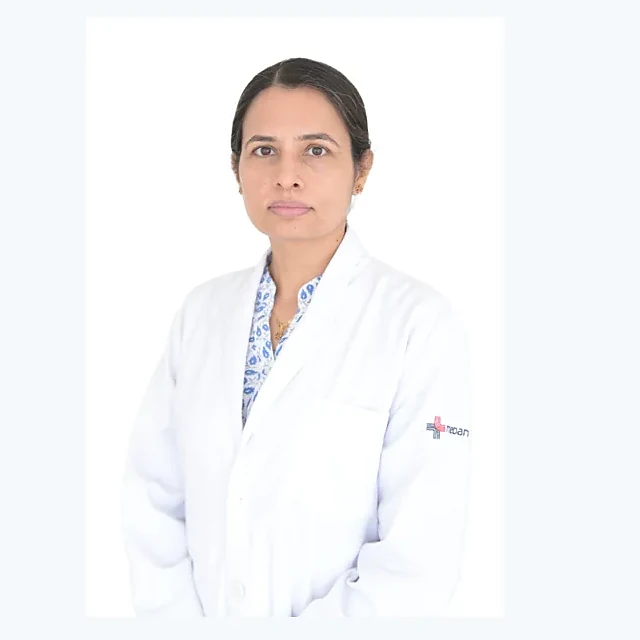
Chhavi Kohli

Chhavi Kohli

Senior Diabetes Educator & Nutritionist, Endocrinology & Diabetes

Medanta - The Medicity

View profile
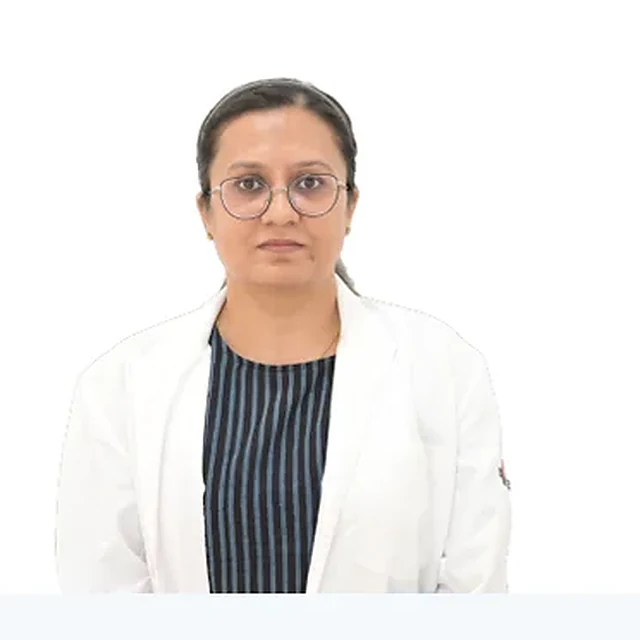
Dr. Ananya Deori

Dr. Ananya Deori

Associate Consultant, Cancer Care

Medanta - The Medicity

View profile
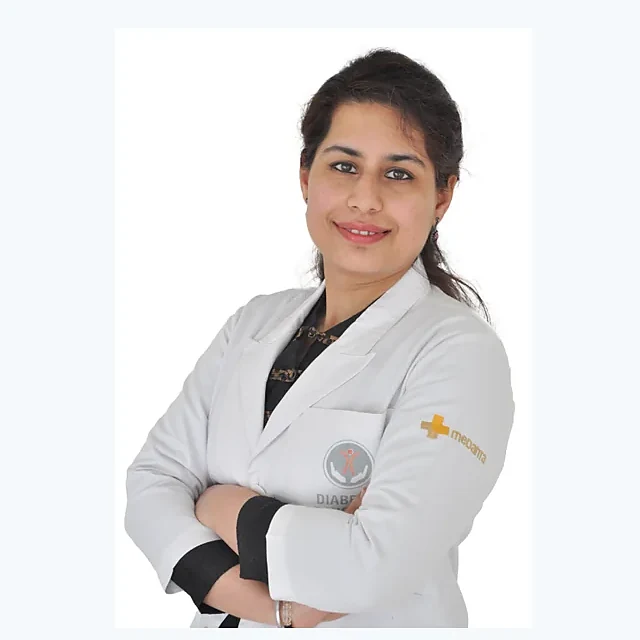
Dr. Harmandeep Kaur Gill (Wander)

Dr. Harmandeep Kaur Gill (Wander)

Associate Director, Endocrinology & Diabetes

Medanta - The Medicity

View profile
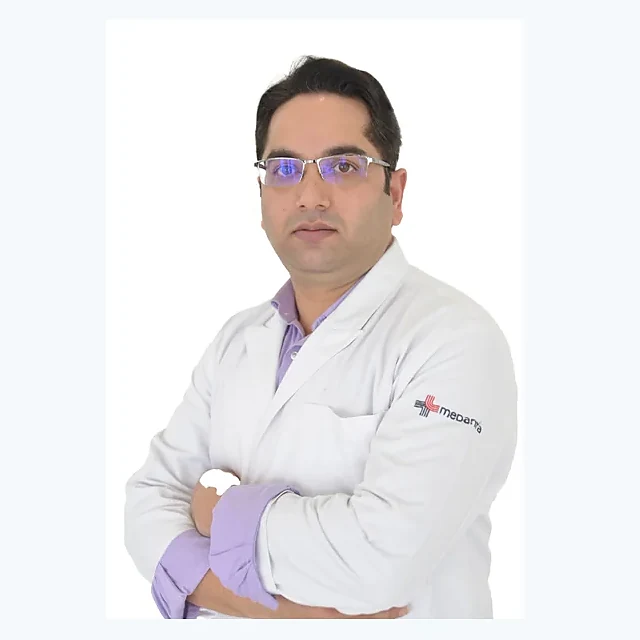
Dr. Jasjeet Singh Wasir

Dr. Jasjeet Singh Wasir

Director, Endocrinology & Diabetes

Medanta - The Medicity

View profile
Dr. Jimmy Pathak

Dr. Jimmy Pathak

Consultant Endocrinology & Diabetes

Medanta - The Medicity

View profile
Dr. M Shafi Kuchay

Dr. M Shafi Kuchay

Associate Director, Endocrinology & Diabetes

Medanta - The Medicity

View profile

Compare Facilities

Hospitals Offering This Specialty

FAQ

Frequently Asked Questions

Can type 2 diabetes be reversed?

While type 2 diabetes is generally considered a chronic condition, some individuals can achieve remission through significant weight loss and lifestyle changes, meaning their blood sugar levels return to a non-diabetic range without medication. However, ongoing monitoring is essential.

What is the difference between hypothyroidism and hyperthyroidism?

Hypothyroidism occurs when the thyroid gland is underactive and does not produce enough hormones, leading to symptoms like fatigue and weight gain. Hyperthyroidism is when the gland is overactive, producing too much hormone, causing symptoms such as rapid heart rate and weight loss.

How often should I check my blood sugar levels?

The frequency of blood sugar monitoring depends on the type of diabetes, the treatment plan, and individual needs. Patients on insulin may need to check several times a day, while those managing with diet or oral medications may check less frequently. Your specialist will provide specific guidelines.

What role does diet play in managing endocrine disorders?

Diet is a cornerstone of managing many endocrine disorders, especially diabetes and metabolic syndrome. A balanced diet helps regulate blood sugar levels, manage weight, and support overall metabolic health. Nutritional counseling is often a key component of the treatment plan.

Are there surgical options for treating endocrine conditions?

Yes, surgery may be recommended for certain conditions, such as removing benign or malignant tumors of the thyroid, parathyroid, adrenal, or pituitary glands. Bariatric surgery may also be considered for severe obesity and uncontrolled type 2 diabetes.

How can I ensure continuity of care when returning to my home country?

Before leaving India, your specialist will provide a detailed medical report, including diagnosis, treatment received, medication prescriptions, and a follow-up plan. It is important to share this information with your local healthcare provider to ensure a seamless transition of care.

Editorial Transparency

Educational Information, Not a Diagnosis

This guide summarizes general information from established medical sources. It does not replace consultation, diagnosis or an individualized treatment plan. Options, costs, timelines and possible outcomes depend on clinical assessment.

Reviewed: 2026-08-27

Ready to Organize a Specialist Review?

Send the available reports. MHF helps identify suitable teams and compare responses before any decision.

Chat on WhatsApp