Understand the specialty
Clinical Overview and Direction
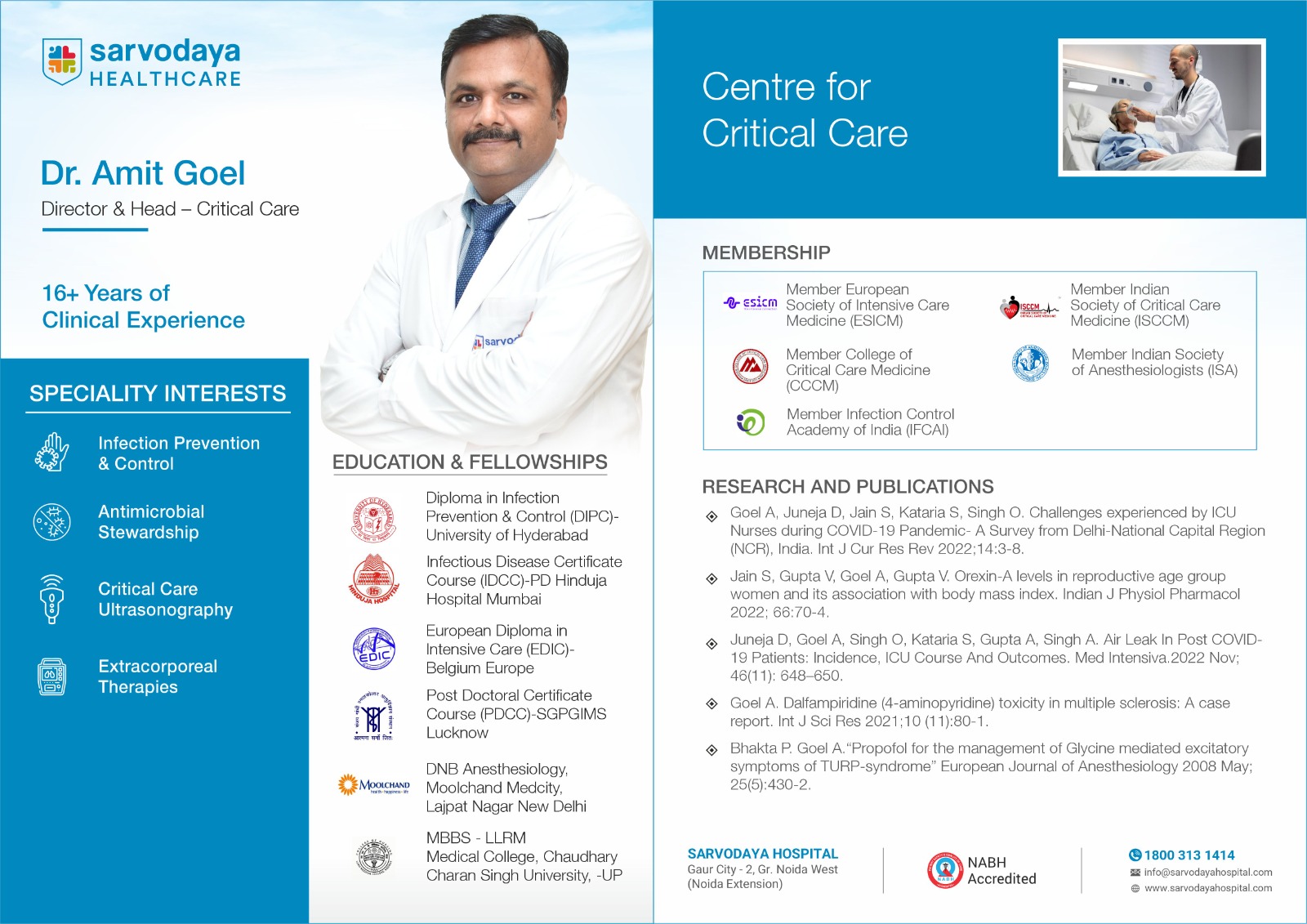
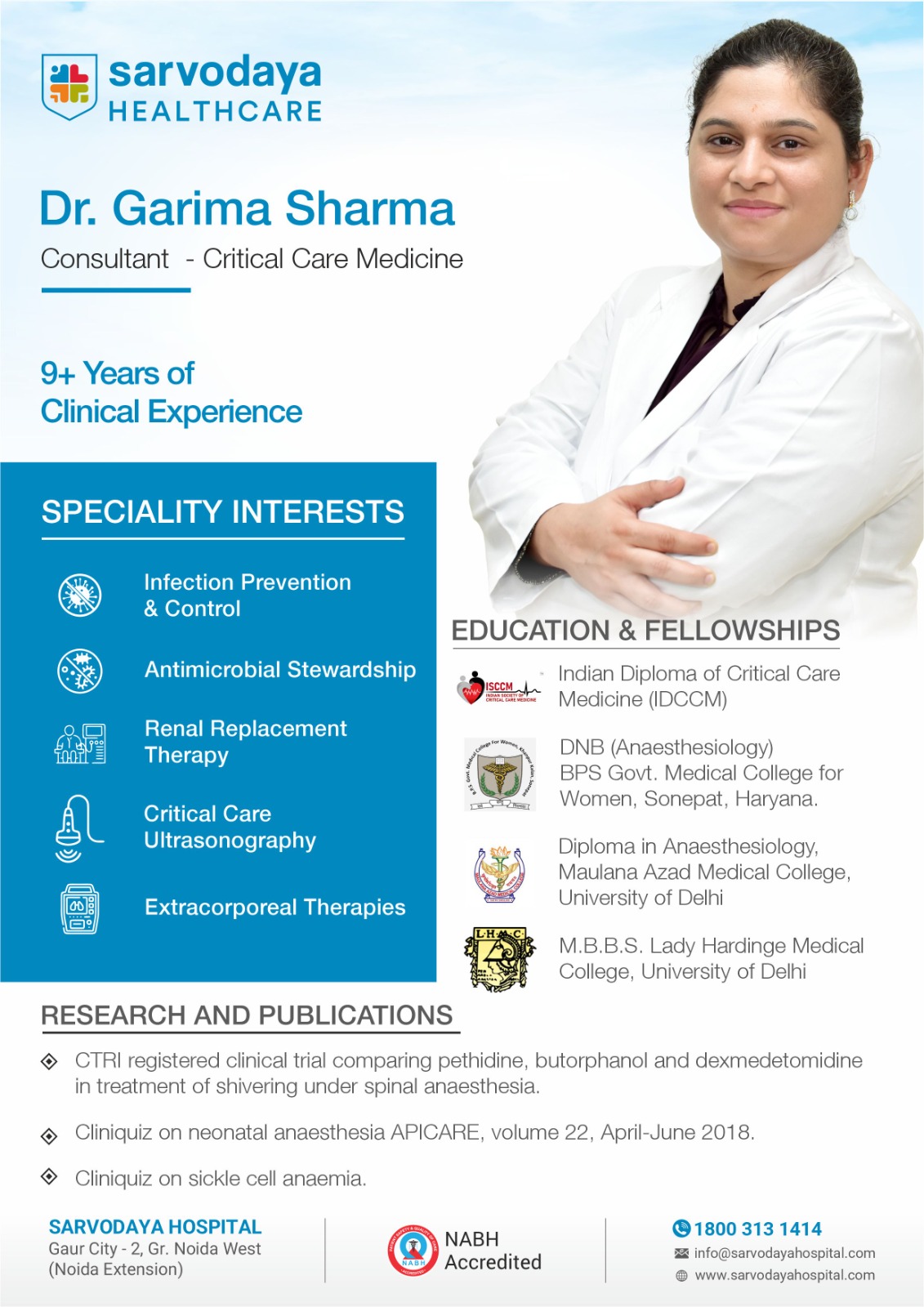
Critical care, or intensive care, involves the specialized monitoring and treatment of patients with severe, life-threatening illnesses or injuries. Anaesthesia focuses on pain relief and the safe management of patients before, during, and after surgical procedures. For international patients traveling to India, these interconnected specialties provide comprehensive support through state-of-the-art life support systems, continuous monitoring, and highly trained multidisciplinary teams dedicated to stabilizing complex medical conditions.
Diagnostics and Useful Records
Complete records help the clinical team prepare a more useful opinion before travel.
Continuous hemodynamic monitoring
Arterial blood gas (ABG) analysis
Advanced neuro-monitoring (e.g., ICP monitoring)
Echocardiography and continuous ECG
Comprehensive metabolic panels
Point-of-care ultrasound (POCUS)
Coagulation profiles
Advanced radiological imaging (CT, MRI)
Treatment Approaches to Discuss
Treatment depends on the confirmed diagnosis, overall health, investigations, goals and specialist-team assessment.
Mechanical ventilation and airway management
Vasoactive medication administration
Continuous renal replacement therapy (CRRT)
Extracorporeal membrane oxygenation (ECMO)
General and regional anaesthesia
Post-operative pain management
Intravenous fluid resuscitation
Targeted temperature management
Selecting the Right Specialist
Choosing the right critical care team and anaesthesiologist involves looking for facilities with internationally accredited ICUs and high nurse-to-patient ratios. Look for hospitals that have multidisciplinary teams, including intensivists, specialized nurses, respiratory therapists, and clinical pharmacists. It is also important to inquire about the hospital's infection control rates and their experience in managing complex cases similar to yours, ensuring a safe and supportive environment for recovery.
Preparing for Evaluation
Before traveling for complex surgeries requiring intensive care, patients and their families should compile a complete medical history, including all current medications, allergies, and previous surgical records. It is vital to coordinate with the receiving hospital in India to understand the specific anaesthesia protocols and ICU admission criteria. Ensure all travel arrangements accommodate the patient's physical limitations, and discuss the expected length of stay with the clinical team, as recovery from critical illness often requires an extended period before flying back home is safe.
Recovery and Continuity of Care
Recovery from critical care is a gradual process that begins in the ICU and continues on a step-down ward before discharge. Patients may experience physical weakness, fatigue, and emotional stress, known as post-intensive care syndrome (PICS). Rehabilitation involving physical therapy, nutritional support, and respiratory exercises is a key component of the healing journey. The medical team will provide detailed guidelines for post-discharge care, follow-up appointments, and specific milestones that must be met before the patient is cleared for international travel.
Discharge summary
Medication plan
Remote follow-up