⚠️ We are closely monitoring the recent Ebola outbreak in the Democratic Republic of the Congo. We extend our deepest sympathies to the Congolese people during this challenging time, and our thoughts and steadfast support remain with the affected communities.
Vascular Surgery
MHF Patient Guide

Vascular Surgery

Vascular surgery is a surgical subspecialty in which diseases of the vascular system, or arteries, veins and lymphatic circulation, are managed by medical therapy, minimally-invasive catheter procedures, and surgical reconstruction. It addresses critical conditions that affect blood flow, ensuring proper circulation to prevent serious complications such as stroke, limb loss, or organ damage.

19
specialist profiles
7+
hospitals to explore
EN / FR
bilingual coordination
24–48h
initial response target

Understand the specialty

Clinical Overview and Direction

Vascular surgery is a surgical subspecialty in which diseases of the vascular system, or arteries, veins and lymphatic circulation, are managed by medical therapy, minimally-invasive catheter procedures, and surgical reconstruction. It addresses critical conditions that affect blood flow, ensuring proper circulation to prevent serious complications such as stroke, limb loss, or organ damage.

Conditions Commonly Evaluated

  • Abdominal aortic aneurysm (AAA)
  • Carotid artery disease
  • Peripheral artery disease (PAD)
  • Deep vein thrombosis (DVT)
  • Varicose veins and chronic venous insufficiency
  • Aortic dissection
  • Thoracic aortic aneurysm
  • Mesenteric ischemia

When to Seek Urgent Local Care

Do not delay urgent care while arranging international travel.

  • Sudden, severe abdominal or back pain
  • Sudden weakness, numbness, or difficulty speaking (signs of stroke)
  • A cold, pale, or blue limb with sudden severe pain
  • Swelling, redness, and pain in one leg (signs of deep vein thrombosis)
  • A wound or ulcer on the foot or leg that does not heal and shows signs of infection

Diagnostics and Useful Records

Complete records help the clinical team prepare a more useful opinion before travel.

Doppler ultrasound
Computed tomography angiography (CTA)
Magnetic resonance angiography (MRA)
Ankle-brachial index (ABI) test
Catheter angiography
Venous ultrasound
Echocardiogram

Treatment Approaches to Discuss

Treatment depends on the confirmed diagnosis, overall health, investigations, goals and specialist-team assessment.

Endovascular aneurysm repair (EVAR)
Carotid endarterectomy
Angioplasty and stenting
Bypass surgery (e.g., peripheral artery bypass)
Varicose vein stripping or ablation
Thrombolytic therapy
Dialysis access surgery (AV fistula or graft creation)
Amputation (in severe, non-salvageable cases)

Selecting the Right Specialist

When selecting a vascular surgeon, it is important to look for a specialist who is board-certified and has extensive experience in both traditional open vascular surgery and modern minimally invasive endovascular techniques. Consider their track record with the specific procedure you need, as well as the capabilities of the hospital where they practice, which should ideally have a dedicated vascular lab and intensive care unit. A good specialist will take the time to explain all your treatment options, including the risks and benefits of each, and will collaborate closely with other healthcare providers, such as cardiologists and endocrinologists, to ensure comprehensive care.

Preparing for Evaluation

Before vascular surgery, your medical team will conduct a comprehensive evaluation, which may include blood tests, an electrocardiogram (ECG), and specific imaging studies like a CTA or ultrasound to map your blood vessels. You will be asked to provide a complete list of your medications, and you may need to temporarily stop taking blood thinners or certain diabetes medications. Smoking cessation is strongly advised well in advance of the procedure, as smoking significantly impairs blood flow and wound healing. You will also receive instructions on fasting, typically avoiding food and drink for 8 to 12 hours prior to the surgery, and you should arrange for someone to assist you during your return home and initial recovery.

Recovery and Continuity of Care

Recovery from vascular surgery depends on the specific procedure performed, ranging from a few days for minimally invasive endovascular treatments to several weeks for open surgeries like a bypass. In the immediate post-operative period, your vital signs, blood flow to the affected area, and surgical incisions will be closely monitored. Pain management and early, gentle mobilization are key components of the recovery process to prevent blood clots and promote circulation. You will receive detailed instructions on wound care, signs of infection to watch for, and a gradual plan for resuming normal activities and exercise. Long-term follow-up and lifestyle modifications, such as a heart-healthy diet, regular exercise, and avoiding tobacco, are crucial for maintaining vascular health.

Discharge summary
Medication plan
Remote follow-up

Questions to Ask the Clinical Team

1What are the risks and benefits of the recommended vascular procedure?
2Are there any minimally invasive (endovascular) alternatives to open surgery for my condition?
3How many times have you performed this specific procedure?
4What will my recovery process look like, and how long will it take?
5What lifestyle changes will I need to make after the surgery to maintain my vascular health?
6How will this surgery affect my other medical conditions, such as diabetes or heart disease?
7What are the warning signs of complications that I should watch out for after returning home?

Explore Profiles

Related Specialists

View all 19 profiles
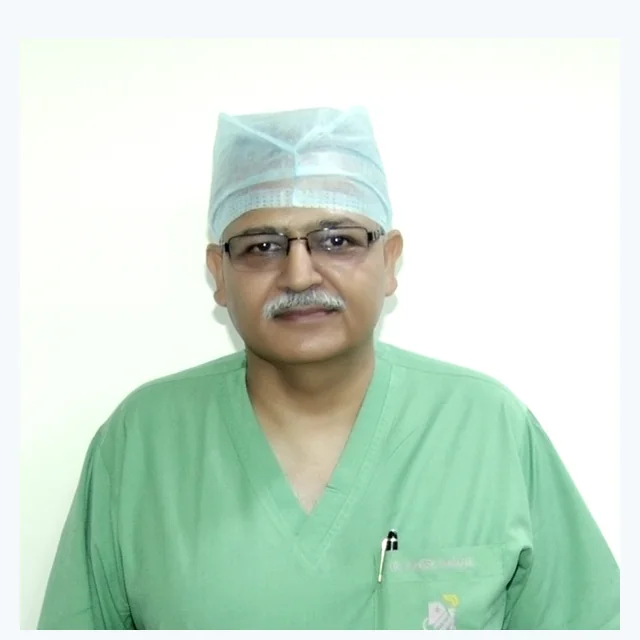
Dr. Lawish Agarwal

Dr. Lawish Agarwal

Consultant Peripheral Vascular and Endovascular Sciences

Medanta - The Medicity

View profile
Dr. Rajiv Parakh

Dr. Rajiv Parakh

Chairman, Peripheral Vascular and Endovascular Sciences

Medanta - The Medicity

View profile
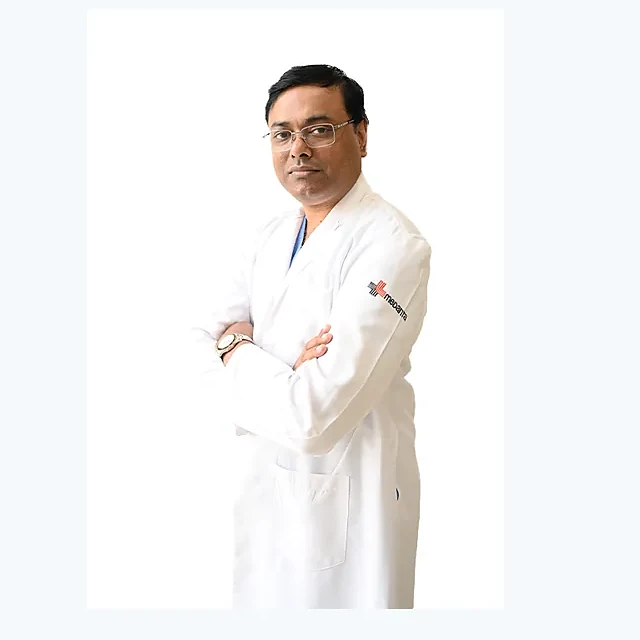
Dr. Sudhanshu Goyal

Dr. Sudhanshu Goyal

Associate Consultant, Peripheral Vascular and Endovascular Sciences

Medanta - The Medicity

View profile
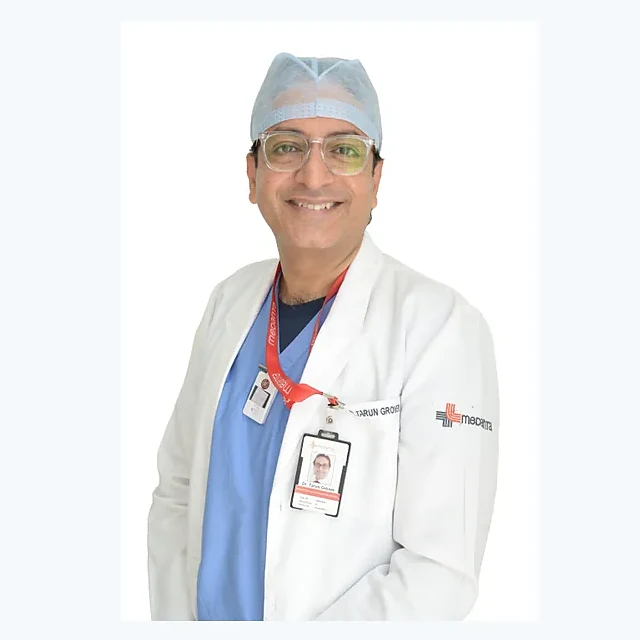
Dr. Tarun Grover

Dr. Tarun Grover

Senior Director, Peripheral Vascular and Endovascular Sciences

Medanta - The Medicity

View profile
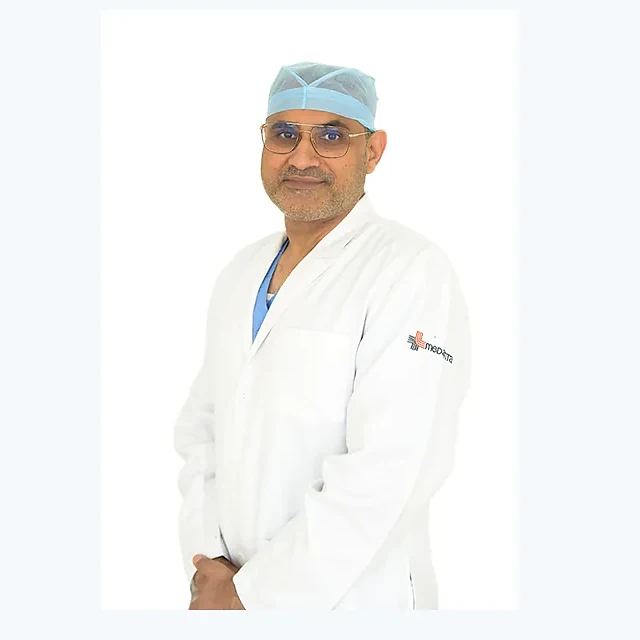
Dr. Virender K Sheorain

Dr. Virender K Sheorain

Director, Peripheral Vascular and Endovascular Sciences

Medanta - The Medicity

View profile
Dr Rakesh Mahajan

Dr Rakesh Mahajan

Vascular Surgeon

Indraprastha Apollo Hospital

View profile

Compare Facilities

Hospitals Offering This Specialty

FAQ

Frequently Asked Questions

What is the difference between an endovascular procedure and open vascular surgery?

Endovascular procedures are minimally invasive, using small incisions and catheters to access blood vessels from the inside, which typically results in less pain and a faster recovery. Open vascular surgery involves a larger incision to directly access and repair the blood vessel, which may be necessary for more complex or extensive disease.

Will I need to stay in the hospital after my vascular surgery?

Hospital stay depends on the procedure. Minimally invasive endovascular procedures may only require an overnight stay or can even be done as an outpatient procedure. Major open surgeries, like an abdominal aortic aneurysm repair, typically require a hospital stay of several days.

Is it safe to fly after having vascular surgery?

Flying after vascular surgery can increase the risk of deep vein thrombosis (DVT) due to prolonged immobility and cabin pressure changes. You should consult your surgeon before flying; they will advise you on when it is safe to travel and may recommend precautions like wearing compression stockings and moving your legs frequently during the flight.

How can I prevent my vascular disease from getting worse?

Preventing the progression of vascular disease involves strict management of risk factors. This includes quitting smoking, controlling blood pressure, managing blood sugar levels if you have diabetes, lowering cholesterol, eating a healthy diet, and engaging in regular physical activity as advised by your doctor.

Will my varicose veins come back after treatment?

While treatments for varicose veins are generally highly effective at eliminating the treated veins, they do not cure the underlying condition that causes them (venous insufficiency). Therefore, new varicose veins can develop over time, and ongoing management, such as wearing compression stockings, may be recommended.

What is an abdominal aortic aneurysm, and why is it dangerous?

An abdominal aortic aneurysm (AAA) is a localized enlargement or bulging of the abdominal aorta, the main blood vessel that supplies blood to the body. It is dangerous because if it grows too large, it can rupture, causing life-threatening internal bleeding. Regular screening is recommended for certain high-risk individuals.

Editorial Transparency

Educational Information, Not a Diagnosis

This guide summarizes general information from established medical sources. It does not replace consultation, diagnosis or an individualized treatment plan. Options, costs, timelines and possible outcomes depend on clinical assessment.

Reviewed: 2026-08-27

Ready to Organize a Specialist Review?

Send the available reports. MHF helps identify suitable teams and compare responses before any decision.

Chat on WhatsApp