Understand the specialty
Clinical Overview and Direction
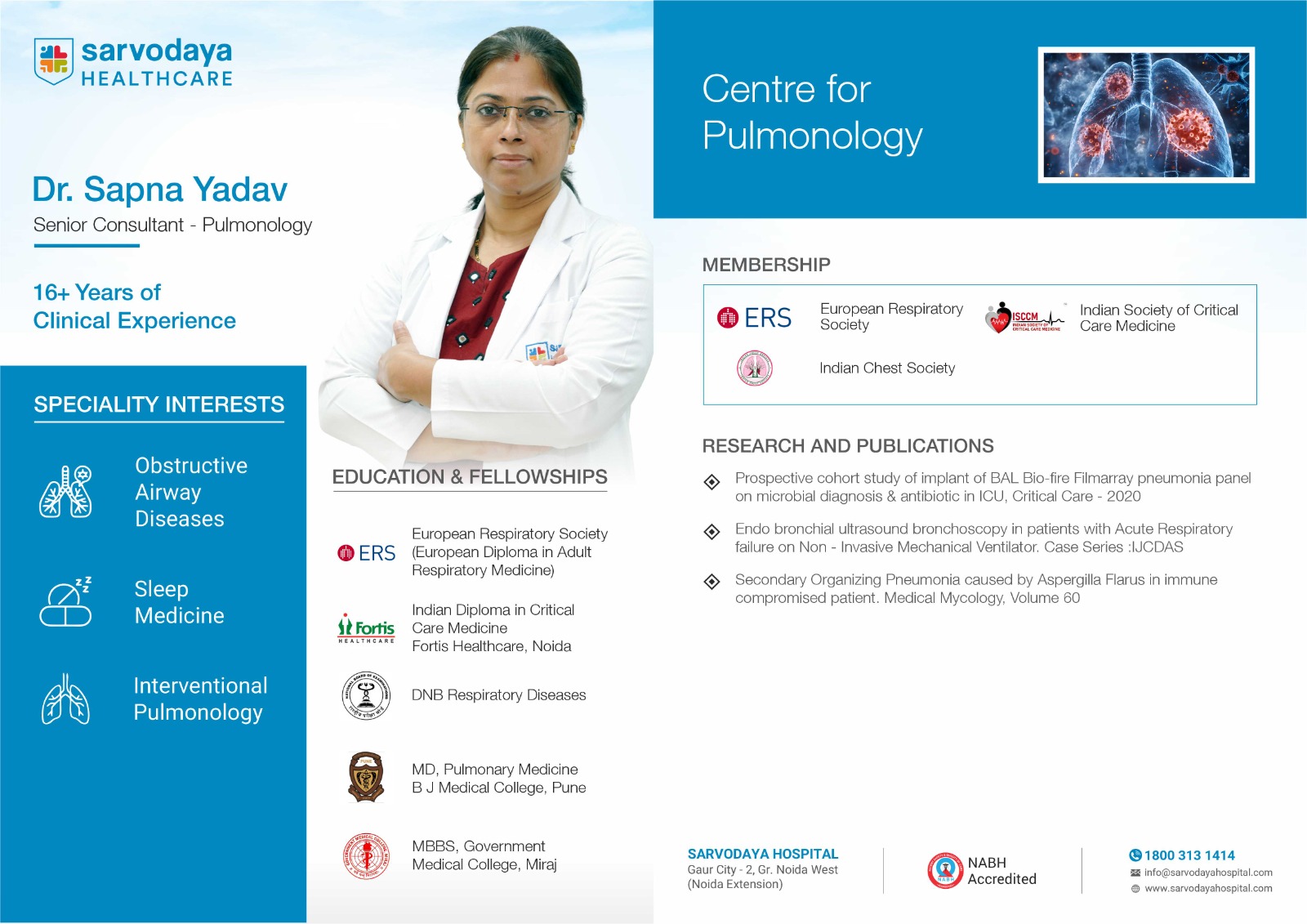
Pulmonology is a medical specialty focused on diagnosing, treating, and managing diseases of the respiratory system, which includes the lungs, airways, and respiratory muscles. Pulmonologists handle a wide range of conditions from chronic respiratory diseases to acute pulmonary infections.
Treatment Approaches to Discuss
Treatment depends on the confirmed diagnosis, overall health, investigations, goals and specialist-team assessment.
Inhaled Medications (Bronchodilators and Corticosteroids)
Oxygen Therapy
Pulmonary Rehabilitation
Continuous Positive Airway Pressure (CPAP) Therapy
Biologic Therapies for Severe Asthma
Antibiotics for Respiratory Infections
Smoking Cessation Programs
Lung Volume Reduction Surgery (in severe cases)
Selecting the Right Specialist
When selecting a pulmonologist in India, consider their specific areas of expertise, as some may focus on interventional pulmonology, sleep medicine, or specific diseases like pulmonary fibrosis or asthma. Look for specialists who are affiliated with major tertiary care hospitals that have advanced diagnostic facilities and intensive care units, which are essential for managing severe respiratory conditions. Verify their credentials, board certifications, and experience with international patients. It is also beneficial to choose a specialist who works within a multidisciplinary team, including thoracic surgeons, respiratory therapists, and oncologists, to ensure comprehensive care.
Preparing for Evaluation
Before your consultation, gather all relevant medical records, including previous chest X-rays, CT scans, and results of any pulmonary function tests. Make a detailed list of all current medications, especially inhalers, noting the frequency of use. Keep a symptom diary for a few days before your visit, tracking when breathing difficulties occur, triggers like dust or exercise, and how they affect your sleep. Be prepared to discuss your complete medical history, including any past exposure to environmental toxins, occupational hazards, and a detailed history of tobacco use if applicable.
Recovery and Continuity of Care
Recovery in pulmonology varies greatly depending on the condition and treatment. For acute infections like pneumonia, recovery may involve weeks of rest, completing antibiotic courses, and gradually rebuilding stamina. For chronic conditions like COPD or asthma, 'recovery' focuses on disease management and stabilization rather than a complete cure. Patients often participate in pulmonary rehabilitation programs, which include supervised exercise training, breathing techniques, and education to improve daily functioning and quality of life. Consistent adherence to prescribed therapies and lifestyle modifications, such as quitting smoking and avoiding triggers, is crucial for long-term respiratory health.
Discharge summary
Medication plan
Remote follow-up