Understand the specialty
Clinical Overview and Direction
Orthopaedics is a medical specialty focused on the diagnosis, correction, prevention, and treatment of patients with skeletal deformities - disorders of the bones, joints, muscles, ligaments, tendons, nerves, and skin. These elements make up the musculoskeletal system.
Treatment Approaches to Discuss
Treatment depends on the confirmed diagnosis, overall health, investigations, goals and specialist-team assessment.
Joint replacement surgery (arthroplasty)
Arthroscopy
Fracture repair (internal or external fixation)
Spinal fusion
Physical therapy and rehabilitation
Medications (anti-inflammatories, pain relievers)
Injections (corticosteroids, hyaluronic acid)
Selecting the Right Specialist
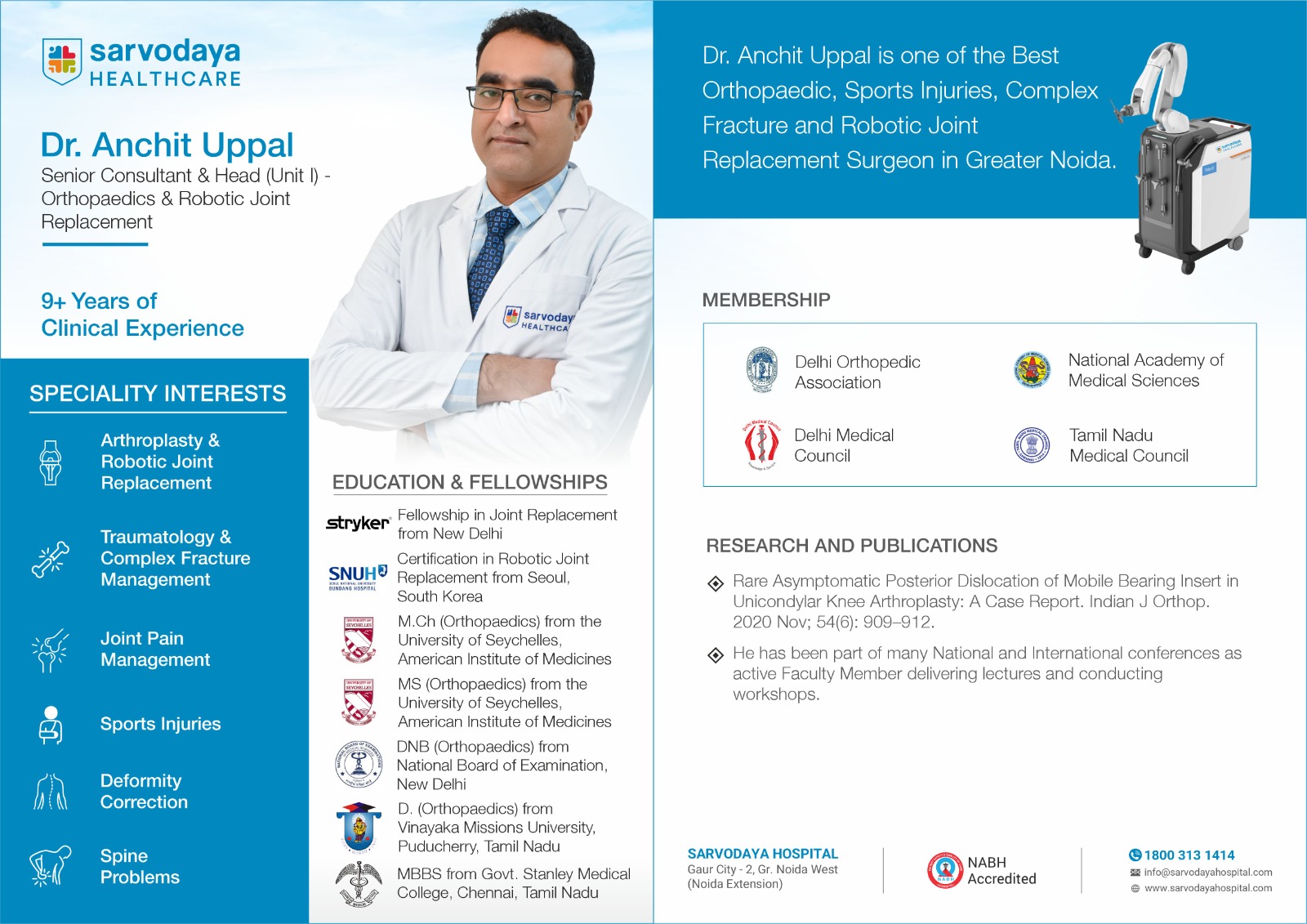
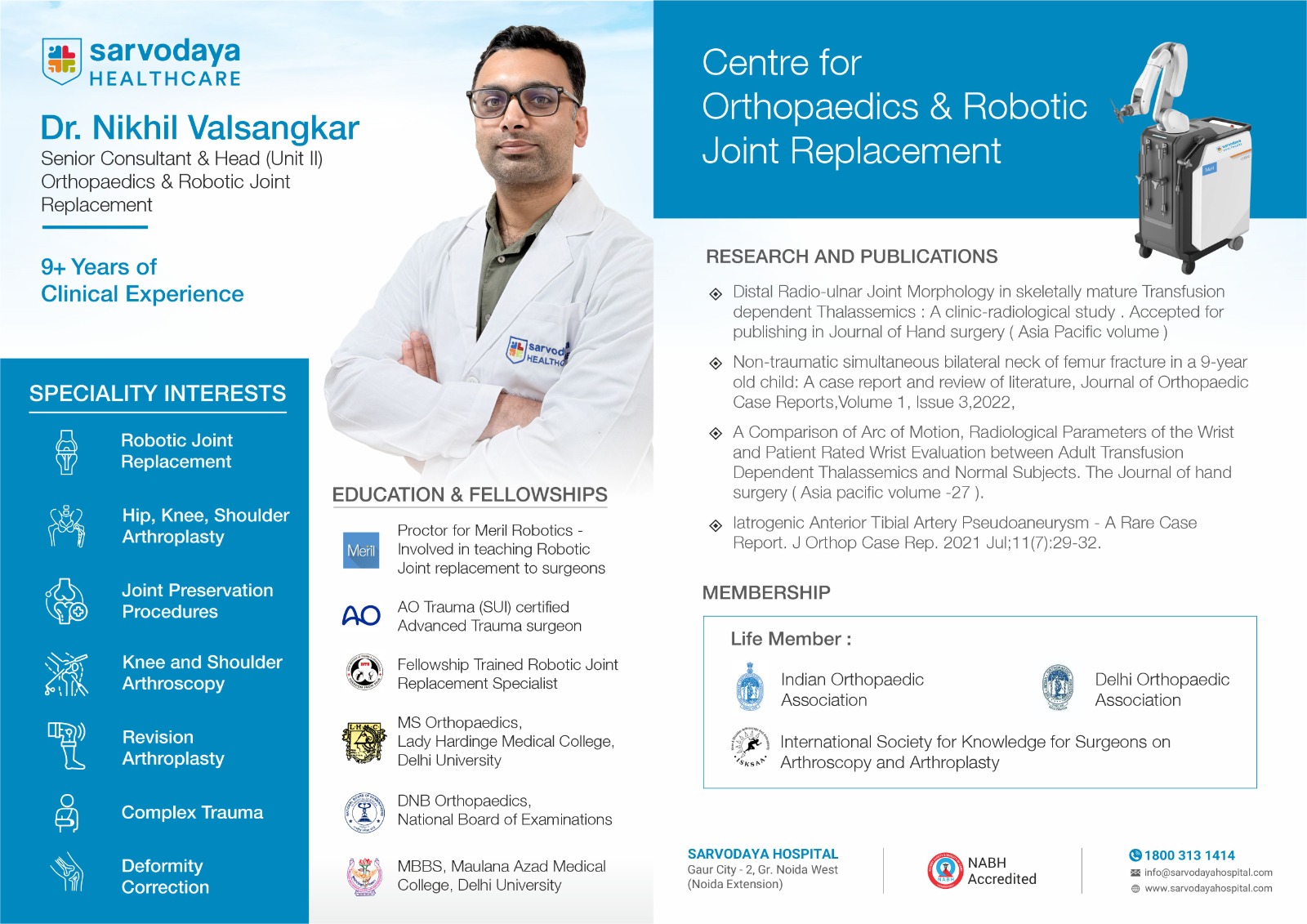
When selecting an orthopaedic specialist, look for board certification and fellowship training in the specific area of your concern, such as joint replacement, sports medicine, or spine surgery. Consider the surgeon's experience with the specific procedure you need, as higher volumes are often associated with better outcomes. Additionally, evaluate the hospital's reputation for orthopaedic care, infection rates, and the quality of their rehabilitation services.
Preparing for Evaluation
Before an orthopaedic procedure, your medical team will typically require a comprehensive medical evaluation, including blood tests and imaging. You may need to adjust or stop certain medications, particularly blood thinners. It is important to arrange for help at home during your initial recovery and modify your living space to prevent falls and accommodate any mobility aids you might need. Following specific fasting instructions prior to surgery is crucial.