⚠️ We are closely monitoring the recent Ebola outbreak in the Democratic Republic of the Congo. We extend our deepest sympathies to the Congolese people during this challenging time, and our thoughts and steadfast support remain with the affected communities.
Oncology
MHF Patient Guide

Oncology

Oncology is the specialized branch of medicine dedicated to the prevention, diagnosis, and treatment of cancer. A multidisciplinary oncology team often includes medical oncologists, surgical oncologists, and radiation oncologists who work together to develop comprehensive and personalized treatment plans. Seeking specialist care for cancer involves comprehensive evaluations, advanced diagnostic imaging, and access to state-of-the-art therapies tailored to the specific type and stage of the disease.

89
specialist profiles
9+
hospitals to explore
EN / FR
bilingual coordination
24–48h
initial response target

Understand the specialty

Clinical Overview and Direction

Oncology is the specialized branch of medicine dedicated to the prevention, diagnosis, and treatment of cancer. A multidisciplinary oncology team often includes medical oncologists, surgical oncologists, and radiation oncologists who work together to develop comprehensive and personalized treatment plans. Seeking specialist care for cancer involves comprehensive evaluations, advanced diagnostic imaging, and access to state-of-the-art therapies tailored to the specific type and stage of the disease.

Conditions Commonly Evaluated

  • Breast cancer
  • Lung cancer
  • Colorectal cancer
  • Prostate cancer
  • Leukemia and lymphoma
  • Gynecologic cancers (e.g., ovarian, cervical)
  • Head and neck cancers
  • Gastrointestinal cancers (e.g., stomach, liver, pancreatic)

When to Seek Urgent Local Care

Do not delay urgent care while arranging international travel.

  • Sudden, severe, and unmanageable pain
  • Difficulty breathing or severe shortness of breath
  • Coughing up blood or vomiting blood
  • High fever or signs of severe infection during chemotherapy
  • Sudden neurological changes, such as confusion, severe dizziness, or loss of balance
  • Inability to keep fluids down for more than 24 hours

Diagnostics and Useful Records

Complete records help the clinical team prepare a more useful opinion before travel.

Positron Emission Tomography (PET) scan
Computed Tomography (CT) scan
Magnetic Resonance Imaging (MRI)
Biopsy (tissue sampling and pathological analysis)
Blood tests (including tumor markers)
Endoscopy or colonoscopy
Bone marrow aspiration and biopsy
Genomic and molecular profiling of tumors

Treatment Approaches to Discuss

Treatment depends on the confirmed diagnosis, overall health, investigations, goals and specialist-team assessment.

Chemotherapy
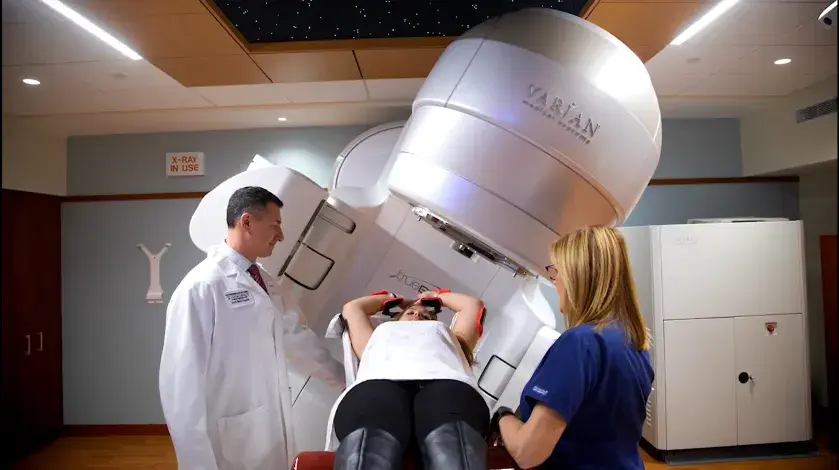
Radiation therapy (including IMRT and stereotactic radiosurgery)
Surgical tumor resection
Targeted therapy
Immunotherapy
Hormone therapy
Bone marrow or stem cell transplant
Palliative care and pain management

Selecting the Right Specialist

When selecting an oncology specialist or treatment center, look for institutions with comprehensive, multidisciplinary cancer programs and international accreditation (such as JCI). Consider the experience of the oncologists in treating your specific type of cancer and the availability of advanced diagnostic and therapeutic technologies. Additionally, centers that offer dedicated support services for international patients, including language assistance and care coordination, can greatly ease the treatment journey.

Preparing for Evaluation

Preparing for oncology treatment requires organizing all your medical records, including previous imaging scans, biopsy reports, pathology slides, and a detailed history of any past treatments. It is important to discuss your current medications and any underlying health conditions with your medical team. International patients should also plan for a potentially extended stay, ensuring that logistics such as accommodation, caregiver support, and travel arrangements are well coordinated before treatment begins.

Recovery and Continuity of Care

Recovery from cancer treatment is a gradual process that varies significantly depending on the type of therapy received and the individual's overall health. Patients may experience fatigue, changes in appetite, and other side effects that require careful management by the healthcare team. A structured follow-up plan, including regular check-ups, nutritional support, physical rehabilitation, and emotional counseling, is essential to monitor progress, manage side effects, and support long-term well-being.

Discharge summary
Medication plan
Remote follow-up

Questions to Ask the Clinical Team

1What is the exact type and stage of my cancer?
2What are the goals of the proposed treatment plan?
3What are the potential side effects of this treatment, and how will they be managed?
4Are there alternative treatment options or clinical trials available for my condition?
5How long will the treatment last, and how long should I plan to stay in the country?
6How will we monitor the effectiveness of the treatment?
7What lifestyle or dietary changes should I make during and after treatment?
Explore Profiles

Related Specialists

View all 89 profiles
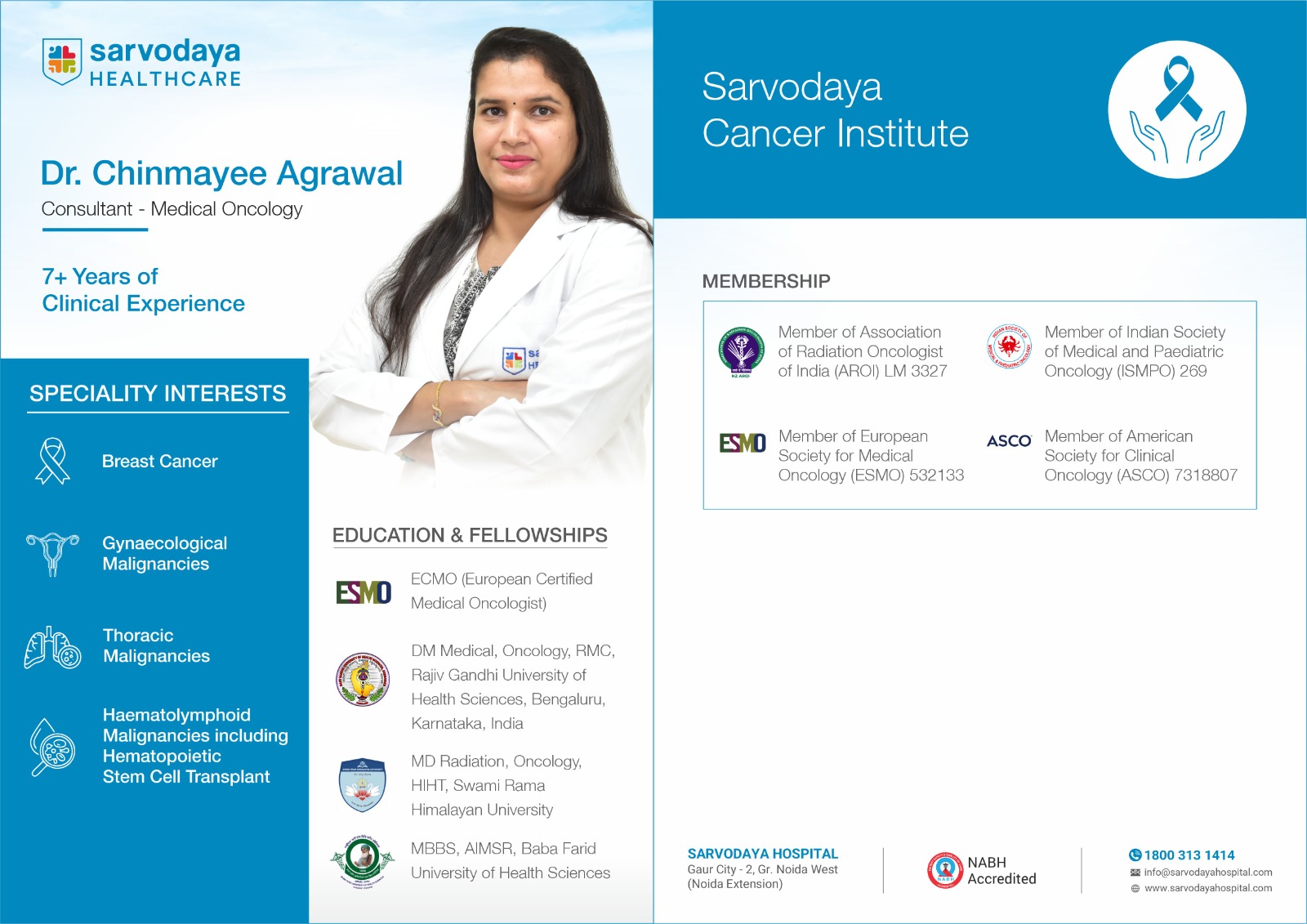
Dr. Chinmayee Agrawal

Dr. Chinmayee Agrawal

Consultant - Medical Oncology

Sarvodaya Hospital

View profile
Dr. Ashok Kumar Vaid

Dr. Ashok Kumar Vaid

Chairman, Cancer Care

Medanta - The Medicity

View profile
Dr. Anjali Jain

Dr. Anjali Jain

Consultant, Gynaecology and GynaeOncology

Medanta - The Medicity

View profile
Dr. Ankur Mudgal

Dr. Ankur Mudgal

Consultant, Cancer Care

Medanta - The Medicity

View profile
Dr. Bhaarat

Dr. Bhaarat

Consultant, Cancer Care

Medanta - The Medicity

View profile
Dr. Bhanu Pratap Singh

Dr. Bhanu Pratap Singh

Associate Consultant, Cancer Care

Medanta - The Medicity

View profile

Compare Facilities

Hospitals Offering This Specialty

FAQ

Frequently Asked Questions

Is it safe to travel internationally for cancer treatment?

Yes, many patients travel safely for cancer care, provided they are medically stable. Your local doctor must clear you for travel, and you should ensure that your medical records are shared with the destination hospital in advance.

Will I need a caregiver to accompany me?

It is highly recommended to have a family member or caregiver accompany you. Cancer treatments can be physically demanding, and having support for daily activities and emotional well-being is very beneficial.

How are treatment plans developed for international patients?

Treatment plans are typically developed through a multidisciplinary tumor board review. Specialists review your medical history, imaging, and pathology reports to recommend a personalized and evidence-based approach.

Can I continue my treatment when I return to my home country?

Yes, continuity of care is a priority. Your treating specialist will provide a detailed discharge summary and treatment plan that can be shared with your local oncologist for ongoing management and follow-up.

What happens if I experience a medical emergency during my stay?

Major specialist hospitals have 24/7 emergency departments equipped to handle oncology-related emergencies. It is important to know the emergency contact numbers and protocols provided by your international patient coordinator.

How can I manage language barriers during my treatment?

Most international hospitals provide dedicated medical interpreters for French and other languages. Your international patient department will assist in coordinating these services for all your consultations.

Editorial Transparency

Educational Information, Not a Diagnosis

This guide summarizes general information from established medical sources. It does not replace consultation, diagnosis or an individualized treatment plan. Options, costs, timelines and possible outcomes depend on clinical assessment.

Reviewed: 2026-08-27

Ready to Organize a Specialist Review?

Send the available reports. MHF helps identify suitable teams and compare responses before any decision.

Chat on WhatsApp