Understand the specialty
Clinical Overview and Direction
Gastroenterology is a specialized field of medicine focused on the digestive system and its disorders. This includes conditions affecting the esophagus, stomach, intestines, liver, gallbladder, and pancreas. Specialists in this field provide comprehensive evaluation and management for patients experiencing a wide range of gastrointestinal symptoms, ensuring accurate diagnosis and effective treatment plans tailored to individual needs.
Diagnostics and Useful Records
Complete records help the clinical team prepare a more useful opinion before travel.
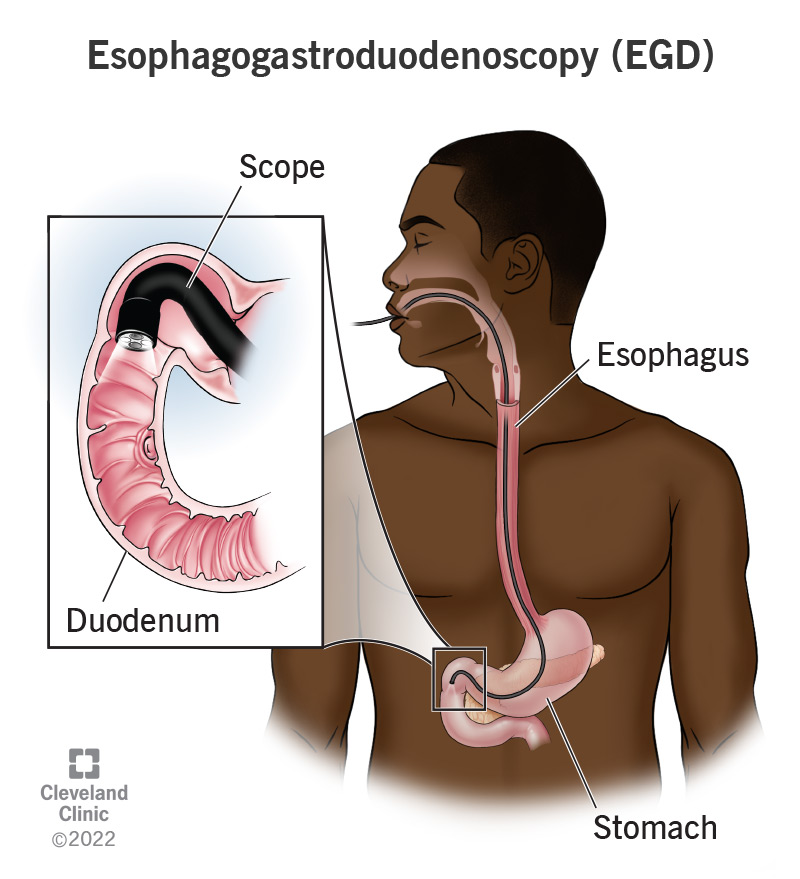
Upper endoscopy (Esophagogastroduodenoscopy or EGD)
Colonoscopy
Abdominal ultrasound
Computed Tomography (CT) scan of the abdomen
Magnetic Resonance Imaging (MRI) or MRCP
Liver biopsy
Stool tests for infection, blood, or inflammation
Breath tests for H. pylori or bacterial overgrowth
Treatment Approaches to Discuss
Treatment depends on the confirmed diagnosis, overall health, investigations, goals and specialist-team assessment.
Prescription medications for acid suppression or inflammation
Endoscopic removal of polyps or early tumors
Dilation of strictures in the esophagus or intestines
Placement of stents to relieve blockages
Management of chronic liver disease complications
Nutritional counseling and dietary modifications
Biologic therapies for inflammatory bowel disease
Endoscopic control of gastrointestinal bleeding
Selecting the Right Specialist
When selecting a gastroenterologist, patients should consider the physician's board certifications, specialized training, and experience in treating their specific condition. It is beneficial to seek specialists affiliated with recognized medical institutions that offer advanced diagnostic and therapeutic facilities. Patients may also want to review the specialist's expertise in performing specific endoscopic procedures or managing chronic diseases like inflammatory bowel disease or liver disorders, ensuring a high standard of comprehensive care.
Preparing for Evaluation
Before traveling for gastroenterological care, patients should compile all previous medical records, including imaging reports, endoscopy results, and laboratory tests. It is essential to carry a detailed list of current medications and dietary supplements. Depending on the planned procedures, such as a colonoscopy, specific dietary restrictions and bowel preparation protocols may be required a few days prior. Patients should discuss these requirements with their care team in advance and ensure they have a clear understanding of any fasting instructions.